
Introduction
Polymer recycling has become a crucial and vital solution to the global plastic waste crisis. With the increasing demand for plastic products and their widespread use in various industries, polymer recycling offers a sustainable approach to reducing environmental pollution, conserving natural resources, and promoting circular economies. This article discusses the history, importance, types, challenges, and advancements of polymer recycling, and highlights its global impact and potential for the future.
2. History of polymer recycling
The history of polymer recycling dates back to the mid-20th century, when plastic production began to increase on an industrial scale. Environmental concerns about plastic waste began to emerge in the 1960s and 1970s, leading to early efforts in polymer recycling. In the 1980s, governments and industries began to formalize recycling programs, focusing primarily on thermoplastics such as polyethylene terephthalate (PET) and high-density polyethylene (HDPE). Over time, innovations in sorting technologies, polymer chemistry, and public awareness campaigns have significantly advanced recycling processes.
By the early 2000s, advances in chemical recycling and pyrolysis opened up new avenues for converting plastic waste into valuable resources. The advent of advanced sorting systems improved the efficiency of recycling centers and allowed for better separation of plastics. Today, polymer recycling is recognized as a key pillar of sustainable waste management strategies worldwide.
3. The importance of recycling polymers
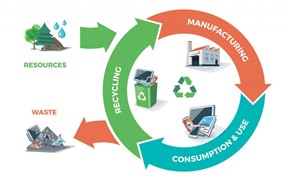
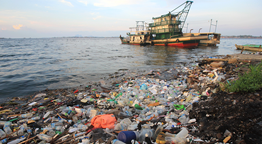
1.3. Environmental protection: Recycling polymers reduces the accumulation of plastic waste in landfills and oceans, and reduces pollution and harm to marine life. Millions of tons of plastic enter the oceans every year, threatening ecosystems and biodiversity. Recycling polymers solves this problem by converting waste into reusable materials.
2.3. Resource Conservation: Recycling polymers reduces the need for new materials derived from fossil fuels and conserves these limited resources. On the other hand, reliance on the consumption of these fuels will lead to climate change.
3.3. Energy efficiency: Producing products from recycled plastics often requires less energy than producing them from virgin materials. For example, producing recycled PET uses up to 50% less energy than producing virgin PET.
4.3. Economic benefits: Recycling creates jobs, boosts the green economy, and reduces the costs associated with waste management. The recycling industry supports millions of jobs worldwide, from collection to processing and product manufacturing.
5.3. Reduce carbon footprint: Recycling processes emit fewer greenhouse gases than the production of virgin polymers. Life cycle analyses show that recycled plastics can reduce carbon emissions by 30 to 70 percent compared to their original counterparts.
4. Recyclable and non-recyclable polymers
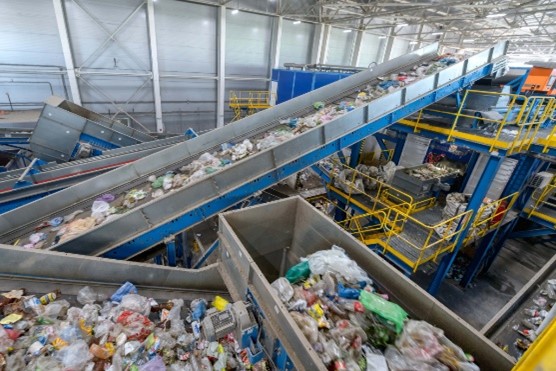
Recyclable polymers: In general, recyclable polymers include thermoplastics that can be melted and reprocessed without significant degradation. Some examples of recyclable polymers include:
– Polyethylene terephthalate (PET): This polymer, widely used to make beverage bottles and food containers, is one of the most commonly recycled polymers. PET is one of the easiest plastics to recycle and is often turned into polyester fibers for new textiles or containers.
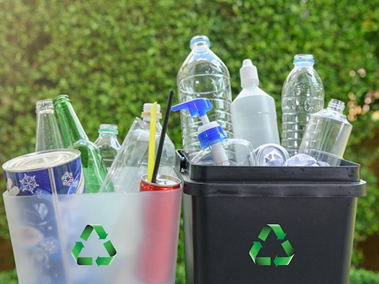 Figure 3: PET is one of the most common recyclable polymers.
– High-density polyethylene (HDPE): This polymer is found in the production of milk bottles, detergent bottles, and pipes. HDPE is durable and can be recycled into products such as plastic lumber and pipes.
– Polypropylene (PP): This polymer is commonly used in automotive parts, containers, and textiles. The use of recycled PP in battery boxes and gardening tools is increasingly popular.
– Polyvinyl chloride (PVC): In some cases, it can be recycled and is commonly used in the production of pipes and flooring. Recycling PVC is challenging but possible with the use of specialized facilities.
– Low-density polyethylene (LDPE): This polymer is found in plastic bags and packaging, although recycling is less common. Recycled LDPE can be used in the production of garbage bags and plastic films.
Non-recyclable polymers:
– Thermosetting polymers: include epoxy resins and phenolic resins, which cannot be melted or deformed due to their network structure.
– Contaminated polymers: Mixed or dirty plastics can be challenging to recycle. Food residue or chemical contamination often makes these materials non-recyclable.
– Specific bioplastics: Not all bioplastics are recyclable due to different degradation mechanisms. For example, PLA (polylactic acid) requires industrial composting conditions that are not widely available.
5. The effect of recycling on polymer properties
Recycling affects the properties of polymers in several ways:
1.5. Mechanical properties: Recycled polymers may exhibit lower tensile strength and elongation due to polymer chain degradation caused by heat and mechanical stress during processing.
2.5. Thermal stability: Multiple recycling cycles can reduce the thermal stability of polymers, limiting their use in products where high quality is of great importance.
3.5. Aesthetic properties: Recycled plastics often have less transparency and color than virgin materials. This is a significant challenge for products where transparency is important.
4.5. Loss of Additives: Loss of stabilizers, plasticizers, and other additives during recycling can affect the performance of plastic materials. Combining recycled polymers with fresh additives can help restore some of the lost properties.
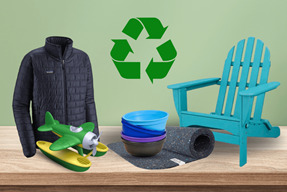
6. Applications of recycled polymers
Packaging materials: Recycled PET and HDPE are widely used to produce new bottles, containers, and films. LDPE is also used to make garbage bags and packaging.
Construction materials: Recycled plastics are used to produce wood-plastics, insulation materials, etc. These products demonstrate high durability in construction applications.
Automotive industry: Recycled PP and HDPE are used to produce automotive parts such as bumpers, dashboards, and battery housings, which reduces the need for virgin raw materials.
PET textiles: Recycled into polyester fibers for use in apparel, carpets, and industrial fabrics.
Roads: LDPE and other plastics are mixed with asphalt to create durable pavements. This innovative application has been successfully implemented in countries such as India and the UK.
7. Future challenges and prospects
Despite its many benefits, polymer recycling faces challenges such as pollution, inefficient separation processes, and economic problems. Advanced technologies such as advanced separation systems, chemical recycling, and biodegradable alternatives are being developed to address these issues. Collaboration between industry, governments, and consumers is essential to overcome these barriers and increase recycling rates globally.
8. Conclusion
Polymer recycling offers a practical and impactful solution to the environmental and economic challenges associated with plastic waste. Although barriers still exist, technological advances, global collaborations, and consumer awareness have paved the way for a circular plastics economy. By understanding the ins and outs of polymer recycling, we can collectively reduce waste, foster innovation, and ultimately create a cleaner, greener planet.
Resources:
1. Geyer, R., Jambeck, J. R., & Law, K. L. (2017). Production, use, and fate of all plastics ever made. Science Advances.
2. European Plastics Recycling Data (2023). European Plastic Converters.
3. National Geographic (2020). The Plastic Waste Crisis and the Future of Recycling.
4. World Economic Forum (2022). Global Plastic Action Partnership Report.
5. Hopewell, J., Dvorak, R., & Kosior, E. (2009). Plastics recycling: challenges and opportunities. Philosophical Transactions of the Royal Society B.
Content compiler: Zahra Davat-Gari
Scientific Editor: Dr. Mehrnaz Bahadori