
Specialized polymer products for modern industries
A combination of quality, durability and innovation to meet diverse production needs
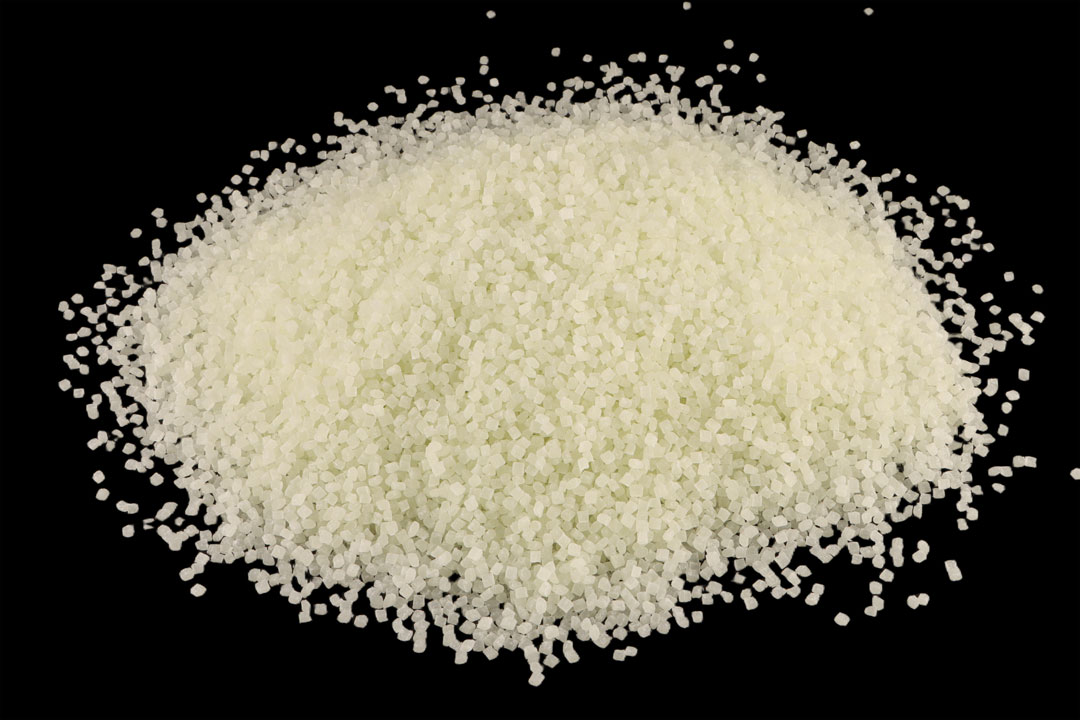
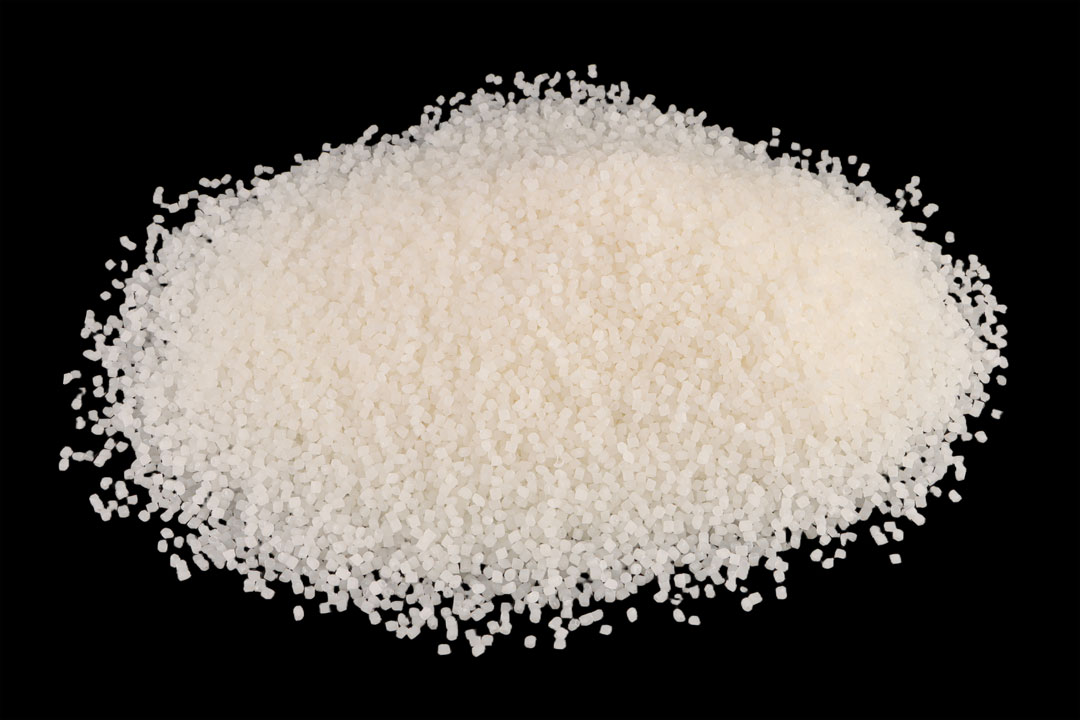
Polyethylene maleate grip
Achieving desirable mechanical properties and adhesion in polymer industries and composite products in this field is challenging, especially in the manufacture of multi-component composites. This is where the role of efficient modifiers such as Maleic Anhydride Grafted Polyethylene becomes important. This chemical modifier, due to its polar functional groups, prepares polyethylene for more demanding applications and is one of the most widely used materials in advanced formulations in the polymer industry. It can also be used in the manufacture of adhesives in the polymer industry. At Behin Polymer, Maleic Anhydride Grafted Polyethylene is produced and supplied with distinctive quality.
The chemical structure of maleated polyethylene and how it works
Chemical modification of polymers is one of the key methods to overcome the inherent limitations of non-polar thermoplastics, especially when they are combined with polar materials. Maleic polyethylene glycol (MAPE) is essentially a modified polymer in which maleic functional groups are attached to long polyethylene chains through a complex radical polymerization process in the presence of maleic anhydride. This process creates a unique molecule that combines the properties of polyethylene (strength and flexibility) with the high reactivity of the polar functional groups of MA. Such a modified compound is a strong coupling agent that is widely used in the manufacture of adhesives, compounds, and recycled materials.
Mechanism of action as an adaptive factor
The most important role of maleic anhydride is to facilitate the miscibility between nonpolar polymers such as polyethylene or polypropylene with polar materials such as natural fibers, fillers or other engineering polymers. The functional groups of maleic anhydride can chemically react with the hydroxyl or amine groups present in the fibers or fillers, effectively creating a strong chemical bridge between the two heterogeneous phases.
This bonding reduces the interfacial tension between the phases and ensures a significantly uniform distribution of the fillers. The use of polyethylene maleic binder in these applications fundamentally improves the final mechanical properties of the polymer composite or alloy.
The difference between the role of maleic acid and direct adhesive
It is crucial to understand the exact role of this material in the manufacturing process; polyethylene maleate is not used alone and directly to bond two surfaces together, but rather acts as a key component and functional additive in the process of making adhesive formulations. In the manufacture of specialized adhesives or resistant coatings, this material greatly increases the adhesion strength of the final product due to its surface modification and covalent bonding capabilities. Therefore, its role is as a “process additive” that fundamentally improves the bonding properties of another product and extends its shelf life.
Scope of application of maleated polyethylene in industry
A wide range of industries require the bonding of dissimilar materials together, and this is where the use of polyethylene maleate, due to its amphiphilic structure, plays an important role. The improved properties of compounds due to the use of this material have opened up new markets for polymer product manufacturers. This product acts as both a compatibilizer and a bonding enhancer, and has a strong presence in the long-term stability of final products in various environments.
The key applications of polyethylene maleate are as follows:
- Production of hot melt adhesives and cellophanes with improved adhesion to metal substrates, glass and other non-metallic surfaces that are difficult to bond
- Manufacturing of wood-plastic fiber composites (WPC) with the aim of increasing flexural and tensile strength, improving moisture resistance, and reducing water absorption in the product
- Recycling heterogeneous polymers (alloying) by reducing phase separation and creating a more unified and homogeneous microscopic structure in the recycled product
- Production of adhesive layers in the manufacture of pipes or multilayer films to improve mechanical strength and barrier properties against gases and moisture
- Surface modification of mineral fibers and fillers (Fillers & Mineral Fibers Modification) as a coupling agent in compounds containing fillers such as talc, calcium carbonate, and glass fibers to increase adhesion between the polymer phase and the mineral phase.
- Improving compatibility in polymer blends with different polarities (Polymer Blends Compatibility), which reduces the surface energy between phases, more uniform distribution of components, and ultimately increases mechanical strength and stability against stress cracking.
Effect of molecular weight and graft degree on rheological behavior of compounds containing PE-g-MA
The rheological behavior of polyethylene maleic adhesive-containing compounds is strongly influenced by two fundamental factors: molecular weight distribution and degree of grafting. Higher molecular weight typically results in increased melt viscosity and shear strength, while shorter chains facilitate polymer flow in extrusion or injection molding processes.
On the other hand, increasing the degree of grafting, i.e., the number of maleic anhydride groups attached to the polyethylene chain, increases the polarity, improves the interfacial adhesion, and increases the interaction forces at the phase boundary. However, excessive grafting can lead to incomplete crystallization and increased brittleness. Therefore, determining the optimal ratio between molecular weight and degree of grafting is essential to maintain a balance between shear stability, extrudability, and melt uniformity.
Thermal and oxidative stability of maleated polyethylene in the presence of additives
Thermal stability is one of the main challenges in the use of polyethylene maleic adhesive in high temperature processes. The presence of maleic anhydride functional groups in the polymer structure increases its tendency to react with oxygen and form free radicals, which can cause a loss of molecular weight and a decrease in mechanical strength over time. To combat this phenomenon, the addition of phenolic and phosphite antioxidants along with light stabilizers (HALS) to the formulation inhibits degradation chains and maintains physical and rheological properties. By preventing chain oxidation and radical stability, these additives enable the use of PE-g-MA in demanding thermal applications such as the production of multilayer pipes or heat-treated packaging films.
Purchased maleated polyethylene from Behin Polymer Company
Choosing the right grade of maleic polyethylene glycol is crucial to the success of a project, and Behin Polymer, with a precise understanding of market needs, offers a product with a controlled maleic anhydride bond percentage and appropriate molecular weight distribution. Relying on up-to-date technical knowledge and the use of advanced equipment, we have always been at the forefront of producing efficient polymer additives and are committed to providing products that meet the needs of today’s industries and create new areas in the field of adhesion and compatibility of materials.
Reviews
There are no reviews yet.