
Abstract
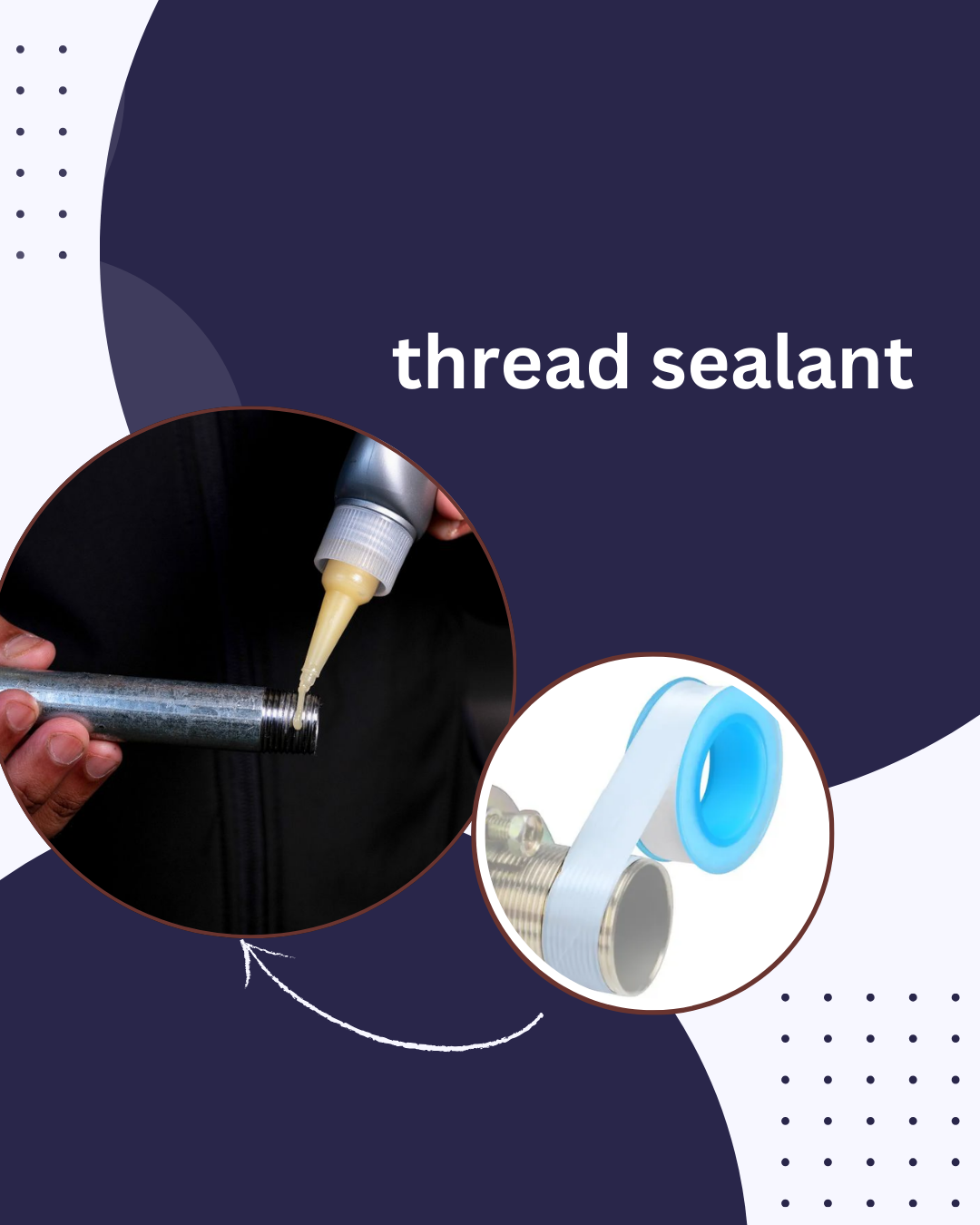
Liquid Teflon is a specialized anaerobic sealant designed to create strong, leak-proof seals in threaded metal joints. These adhesives cure in the absence of air, a key feature that sets them apart from other sealants, such as Teflon tape. This article provides an overview of the uses and benefits of liquid Teflon.
Introduction
Liquid Teflon is a class of anaerobic adhesives. It remains liquid in the presence of oxygen, but solidifies in its absence. The simplest anaerobic adhesive consists of a dimethyl acrylate ester with a peroxide catalyst system and an accelerator. It cures in the absence of oxygen by free radical polymerization. Anaerobic adhesives have high strength. Single-component anaerobic adhesives cure at room temperature within a few hours, but their cure process can be accelerated to a few minutes by using high temperatures and some primers/accelerators.

2. Advantages of liquid Teflon over Teflon tape
1.2. Better sealing ability
Liquid Teflon is more effective than Teflon tape in filling gaps and cavities in pipes. These materials harden in the absence of air, forming a strong bond that prevents leaks even under high pressure and temperature conditions. This property makes them ideal for high-stress environments, such as gas lines and hydraulic systems.

2.2 Resistance to shrinkage and cracking
Unlike Teflon tape, liquid Teflon does not shrink or crack over time. Once hardened, it maintains its sealing properties even after exposure to heat and vibration, which is critical for applications where maintaining a reliable seal is critical.
3.2 Ease of use
Liquid Teflon is usually supplied in polyethylene tubes with a nozzle, making it easier to use than Teflon tape. This convenience is especially useful when working with larger pipes or in tight spaces.
4.2 High strength
Once hardened, liquid Teflon creates a strong bond that can withstand significant mechanical stress, including vibrations and pressure fluctuations. This property is essential for industrial environments where equipment is subjected to dynamic forces.

3. Applications of liquid Teflon
1.3Plumbing systems
-Drinking water pipes: Types of anaerobic sealants are available for use in drinking water systems and can provide a tight seal that is resistant to pressure and temperature changes.
– Gas pipes: Liquid Teflon is effective in sealing high-pressure gas lines and can be used for natural gas and propane applications.
2.3 Industrial applications
– Hydraulic and pneumatic systems: Anaerobic seals can seal connections in hydraulic and pneumatic systems, ensuring leak-free connections under various pressures.
3.3 Vehicles and machinery
– Automotive applications: Used in sealing automotive connections, including fuel lines and cooling systems, due to their resistance to vibration and temperature changes.
– Induction heating equipment: Induction heating machinery manufacturers use anaerobic seals to ensure a durable seal in their equipment.
4.3 Construction and maintenance
-Creating a permanent connection: These seals are ideal for permanent connections in commercial plumbing, where a strong and durable seal is required.
– Repair work: Anaerobic seals allow for easy removal of fittings using standard tools, making them suitable for where adjustments may be required.
Conclusion
In short, while Teflon tape is easy to use and has an unlimited shelf life, liquid Teflon provides superior sealing capabilities, resistance to environmental factors, ease of application, and much higher mechanical strength, making them the preferred choice for professional plumbing connections and industrial applications. They are especially preferred in applications where stability and durability are critical.
Resources:
[1] Permabond. (n.d.). Anaerobic Adhesives & Sealants – Thread locker. Retrieved from https://www.permabond.com/products/anaerobic-adhesives-and-sealants/
[2] Henkel. (n.d.). Thread Sealants – Henkel Adhesives. Retrieved from https://www.henkel-adhesives.com/pa/en/products/industrial-sealants/thread-sealants.html
[3] Bromic Plumbing. (n.d.). Thread Sealants: The Ultimate Plumbers’ Guide (AU & NZ). Retrieved from https://www.bromicplumbing.com/thread-sealants-ultimate-guide/
[4] Hyfindr. (n.d.). Thread Sealants For Hydrogen Applications. Retrieved from https://hyfindr.com/en/hydrogen-knowledge/use-of-threaded-sealants-in-the-hydrogen-industry
[5] Permabond. (n.d.). Choosing an Anaerobic Thread Sealant. Retrieved from https://www.permabond.com/resource-center/choosing-an-anaerobic-thread-sealant/
Compiled by: Maedeh Pir Gharib Nawaz
Scientific Editor: Dr. Mehrnaz Bahadori