
Introduction
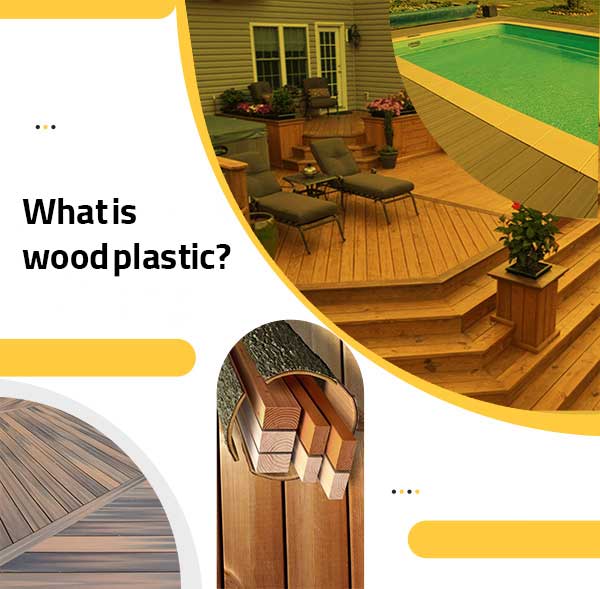
Wood-Plastic Composite (WPC) is a composite material that has gained much attention in recent years due to its unique combination of properties. It is made of wood fibers or flour combined with thermoplastic polymers, resulting in a highly versatile material that combines the natural beauty of wood with the durability and functionality of plastic. This article provides an overview of WPC, including its introduction, key properties, types, applications, and comparison with Thermowood.
Keywords: Wood plastic composite, WPC, hybrid materials, wood fibers, thermoplastic polymers, thermowood.
Introduction
Wood plastic composite (WPC) is a relatively new material that has emerged as an environmentally friendly alternative to traditional building materials. The combination of wood fibers and thermoplastic polymers in WPCs results in a material that combines the beneficial properties of both of its primary components. This unique combination has attracted much attention from various industries, including construction, automotive, furniture, etc., due to its exceptional mechanical properties, environmental sustainability, and aesthetic appeal.
Definition and types of wood plastic composites
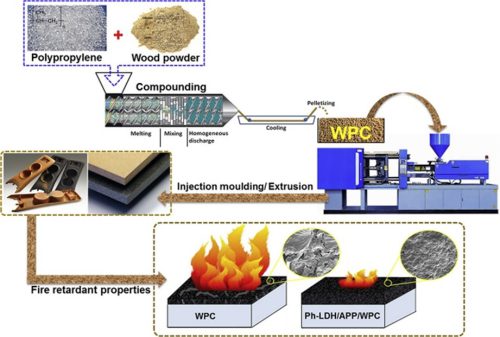
Wood-plastic composites are typically made from a mixture of wood fibers or flours derived from various sources, including sawdust, wood chips from tree trunks, and agricultural residues. These natural fibers are combined with thermoplastic polymers, such as polyethylene, polypropylene, PVC, etc., which act as a matrix material and hold the wood fibers together (Figure 1). Additives such as coupling agents, light stabilizers, dyes, and lubricants are often added to the raw materials during the compounding process to improve the overall performance and longevity of the final product. The methods for preparing wood-plastic polymers can be classified into two general categories: extrusion and injection molding. Extrusion is commonly used in applications such as fencing, decking, and outdoor applications; Meanwhile, the injection molding process is usually used to produce more complex products, including automotive, furniture, and other uses.
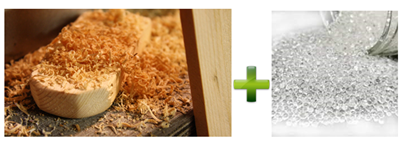
Types of wood plastic composites can be classified based on the type of wood and the type of polymer used. The most common types are:
Polyethylene-based wood plastic
These materials are typically composed of a combination of wood fibers or flour, which can be obtained from a variety of wood sources, and polyethylene, a widely used thermoplastic polymer. The wood fibers contribute to the natural beauty and reinforcement of the finished product, while the polyethylene acts as a binder, imparting properties such as strength and durability to the final composite. The production of polyethylene-based wood-plastic involves a hybrid process in which wood fibers and polyethylene are combined and processed through extrusion or injection molding methods. During the manufacturing process, additives such as coupling agents, UV stabilizers, and dyes may be added to the raw materials to enhance specific properties and improve the overall performance of the final composite. The production process of wood-plastic composites involves a compounding step, in which wood fibers and thermoplastic polymers are mixed, followed by a shaping step, in which the mixture is processed through extrusion or injection molding. During these processes, the composite material can be molded into various shapes and dimensions, making it suitable for a wide range of applications (Figure 2).
Properties of polyethylene-based wood plastic
Polyethylene-based wood plastic exhibits a wide range of desirable properties that make it an excellent alternative to traditional wood and other materials:
Weather resistance
Polyethylene-based wood plastic is highly resistant to environmental factors such as moisture, UV radiation and temperature changes. This feature ensures minimal degradation and excellent dimensional stability, making it ideal for outdoor applications (Figure 3).

Durability
The combination of wood fibers and polyethylene creates a composite material that is more durable and long-lasting than natural wood. It is resistant to decay and insect damage, ensuring a long lifespan for the finished product.
Efficiency
Polyethylene-based wood plastic can be easily molded and shaped during the manufacturing process, allowing for the creation of complex designs and profiles for various applications.
Low maintenance
Unlike regular wood, polyethylene-based wood plastic requires minimal maintenance. It also does not require regular sealing, staining, or painting to maintain its good appearance and performance.
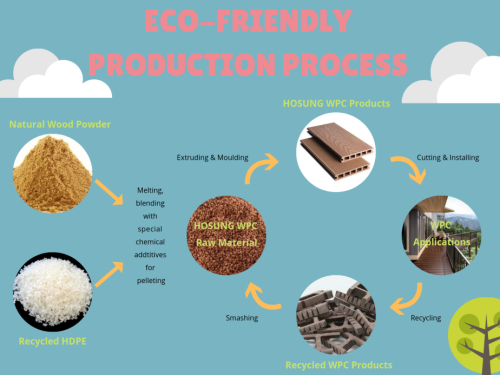
Environmentally friendly
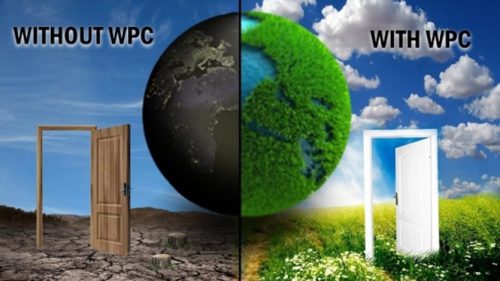
By using recycled or renewable wood fibers and a recyclable thermoplastic, polyethylene-based wood plastic is more environmentally friendly than materials that rely solely on non-renewable resources (Figure 4).
Polypropylene-based wood plastic
Polypropylene-based wood-plastic composites offer better stiffness and heat resistance compared to polyethylene-based wood-plastic composites. Polypropylene-based wood-plastic composites are another type of wood-plastic composites that use polypropylene as the thermoplastic polymer component. Like other types of wood-plastic composites, this category has also gained popularity in various industries due to its unique properties and benefits. Combining polypropylene with wood fibers or flour results in a composite material that offers stiffness, heat resistance, and other valuable properties, making it suitable for a wide range of applications. The manufacturing process for polypropylene-based wood-plastic composites is similar to other types of wood-plastic composites. It involves a hybrid process in which wood fibers and polypropylene are combined and processed through extrusion or injection molding methods, respectively. During the manufacturing process, additives may be incorporated to enhance specific properties and improve the overall performance of the composite material (Figure 5).
Properties of polypropylene-based wood plastic
Polypropylene-based wood plastic offers a wide range of valuable properties that make it a preferred choice for various applications. Some of these properties include:
Hardness and strength
Due to its higher stiffness compared to other thermoplastic polymers used in wood-plastic composites, polypropylene offers a composite material with higher strength and load-bearing capacity.
Heat resistance
Polypropylene-based wood plastic exhibits better heat resistance than some other types of wood plastic, making it suitable for use in hot, sunny climates.
Dimensional stability
Combining polypropylene with wood fibers improves dimensional stability and reduces the risk of warping or distortion over time.
Chemical resistance
Polypropylene-based wood plastic is resistant to various chemicals and solvents and is known for its durability and suitability for outdoor and industrial applications.
Low water absorption
The polypropylene matrix in the composite helps the resulting composite absorb less water, making it less susceptible to moisture-related issues such as swelling or rot.
PVC-based wood plastic (PVC)
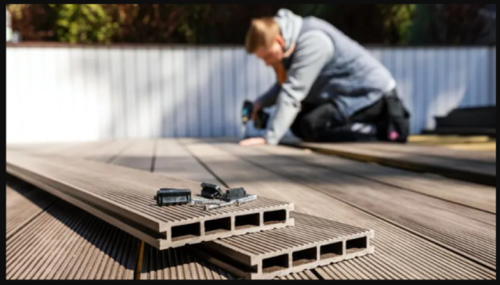
PVC-based wood-plastic composites consist of wood fibers or flour mixed with polyvinyl chloride (PVC), a widely used thermoplastic polymer known for its resistance to harsh weather conditions and excellent chemical resistance. The wood fibers provide natural beauty and reinforcement, while the PVC acts as a matrix material, giving the composite toughness and long-term performance. PVC-based wood-plastic composites offer a wide range of beneficial properties that make them a popular choice for interior and exterior applications in a variety of industries (Figure 6).
Properties of PVC-based wood plastic
PVC-based wood-plastic offers a range of beneficial properties that make it a suitable choice for various applications, including:
Weather resistance: PVC is inherently weather resistant, which makes PVC-based wood plastic composites very durable and suitable for outdoor applications. The product can withstand sunlight, rain, and harsh environmental conditions without significant deterioration.
Chemical resistance: PVC-based wood plastic is resistant to a wide range of chemicals, including acids, bases, and salt water, making it suitable for marine and industrial applications.
Low water absorption: The presence of PVC in the composite contributes to low water absorption and exhibits minimal swelling or rotting when exposed to moisture.
Natural beauty: Wood-plastic composites retain the natural look and texture of wood and are a beautiful alternative to conventional plastics.
Low maintenance: Unlike conventional wood, wood-plastic composites require minimal maintenance and do not require painting, staining, or sealing to maintain their appearance and performance.
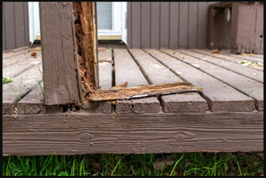
Termite and decay resistance: PVC-based wood plastic is naturally resistant to termite attacks and the resulting decay, increasing the lifespan of the product, which reduces the need for frequent maintenance (Figure 7).
Color stability: PVC-based plastic wood maintains its color stability over time and does not require frequent painting, which is a significant advantage over conventional wood.
Wood Plastic Composite Applications
The versatility of wood-plastic composites makes them suitable for a wide range of applications, including:
Building and construction industry
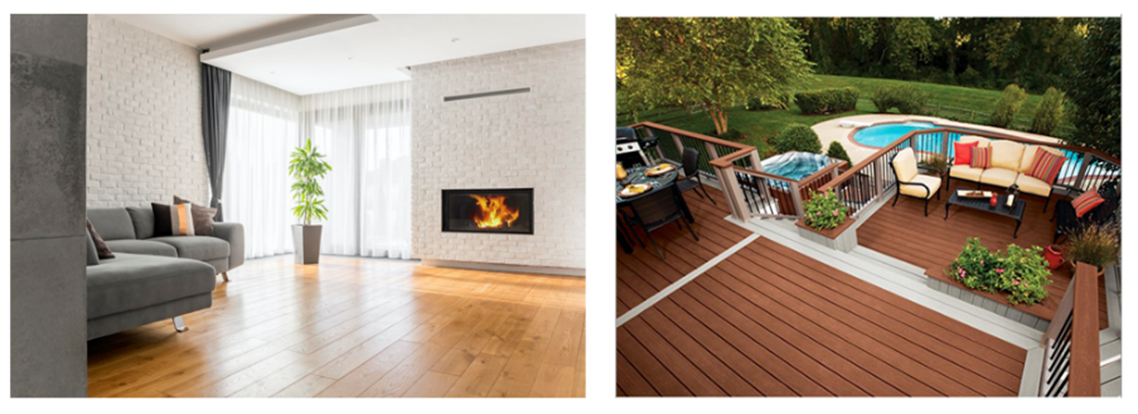
Wood-plastic composites are widely used in porches, railings, fences, and other applications due to their resistance to environmental conditions and low maintenance requirements (Figure 8).
Furniture industry
Plywood is used to produce a variety of furniture, including tables, chairs, and cabinets, offering a durable option with a pleasing aesthetic.
Car
Wood-plastic composites are used in interior components of automobiles, helping to reduce weight and increase durability.
Packaging
Wood plastic is used to create environmentally friendly, lightweight packaging materials, reducing the environmental impact of packaging waste.
Landscaping
Wood-plastic is used in outdoor structures such as gazebos, benches, and planters, offering an attractive and long-lasting solution.
Figure 9 shows some of the diverse applications of wood-plastic composites in various industries.
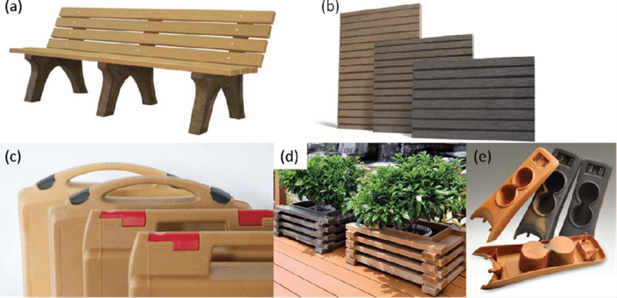
As mentioned earlier, additives play a vital role in the manufacture of various types of wood-plastic composites. Tables 1 and 2 show some of the additives used in wood-plastic composites based on polyolefins and PVC.
Table 1: Additives used in polyolefin-based wood-plastic composites 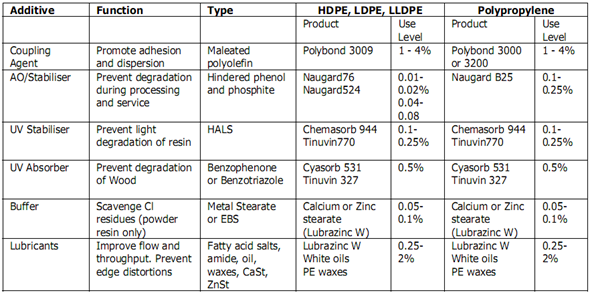
Table 2: Additives used in PVC-based wood-plastic composites 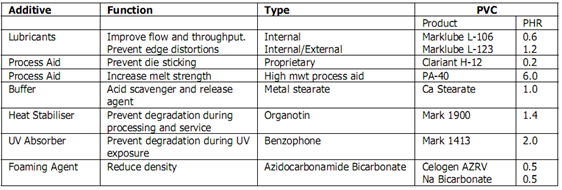
Difference between wood plastic composites and thermowood
While both WPC and Thermowood offer environmentally friendly alternatives to conventional wood, they differ in composition and properties. To clarify the issue, it is best to first define Thermowood and then discuss its applications and differences from conventional wood and WPC.
Thermowood is a type of modified wood produced by subjecting natural softwoods such as pine or spruce to a heat treatment process. This process involves heating the wood to high temperatures (typically between 160°C and 230°C) in the absence of oxygen (a process known as thermal modification or heat treatment). Heat treatment changes the chemical and physical properties of the wood, resulting in a more stable, durable, and rot-resistant material.
Uses of Thermowood
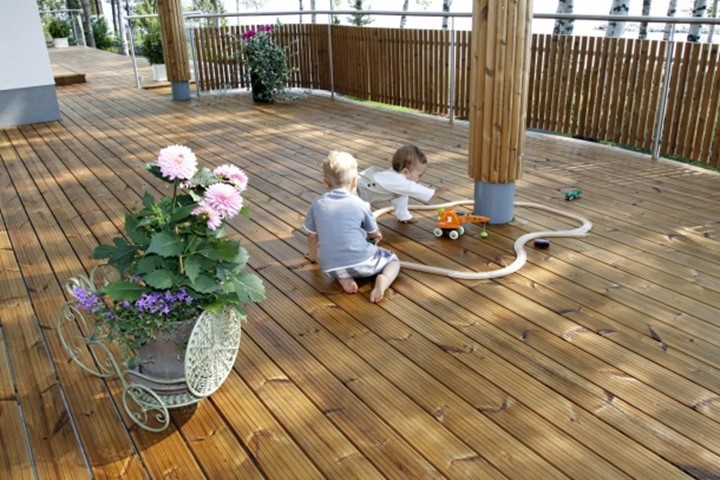
Thermowood is mainly used in outdoor applications due to its enhanced properties (Figure 10). This material is also used for a variety of applications, some of which are mentioned below.
Fencing: Thermowood is a good choice for fencing due to its improved stability and resistance to rot, making it more durable in outdoor environments than regular wood.
Cladding: Due to its weather resistance and appearance, it is commonly used as exterior cladding and facades of buildings.
Outdoor furniture: Thermowood’s durability and resistance to rot make it suitable for making outdoor furniture pieces such as tables, chairs, and benches.
Differences between wood-plastic composites and Thermowood
• Material composition: Wood-plast is a composite material made from wood fibers and thermoplastic polymers, while Thermowood is natural wood that has undergone a heat treatment process to enhance its properties.
• Aesthetics: Wood plastic retains the appearance of wood, but its appearance may not be similar to natural wood. Thermowood retains its original aesthetics as natural wood.
• Durability: Wood plastic is very durable, resistant to moisture, rot, and insect infestation. Thermowood, although more durable than regular wood, may still be susceptible to rot if not maintained properly.
• Workability: Wood-plast offers better workability compared to Thermowood, as it can be easily molded into various shapes during construction.
Conclusion
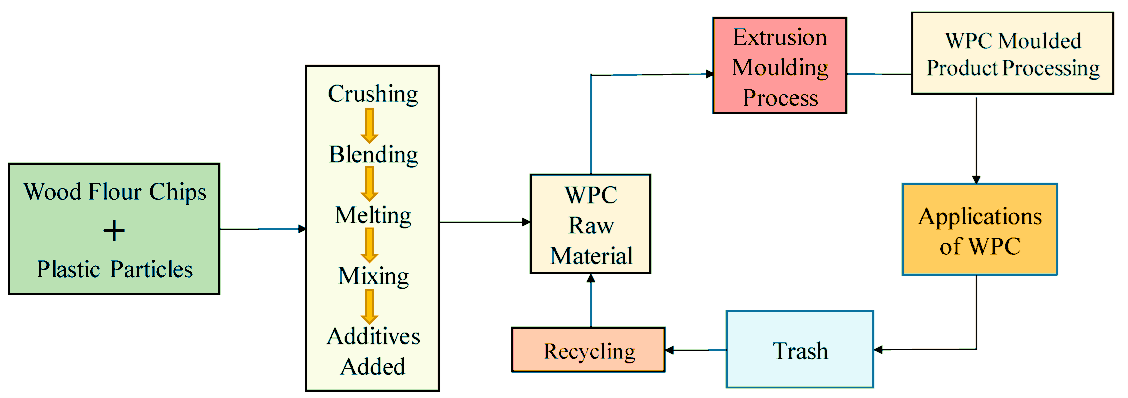
Wood plastic composite (WPC) is a hybrid material with exceptional properties that combines the natural beauty of wood with the durability and versatility of thermoplastic polymers. Its diverse applications, from construction to automotive, make it an environmentally friendly alternative. While both WPC and Thermowood offer sustainable options, they differ in composition and properties, allowing consumers to choose the most suitable material for their specific needs. As technology and research advances, WPC is likely to continue to expand its applications and positively impact various industries around the world. Figure 11 provides a summary of the production to consumption as well as recycling of wood plastic composites based on the various thermoplastic polymers presented above.
Compiled by: Zahra Davatgari
Scientific Editor: Engineer Ali Mohammad Kermani, Dr. Mehrnaz Bahadori
Resources
1. Kim, J., Pal, K., & Jung, K. (2018). Recent Advances in the Processing of Wood-Plastic Composites. Composites Part B: Engineering, 142, 75-85.
2.Thermowood Handbook. (2020). Finnish Thermowood Association. Retrieved from http://www.thermowood.fi/en/handbook.
3. Rautkari, L., & Hughes, M. (2019). Wood Modification Technologies: A Review. Construction and Building Materials, 213, 511-526.
4. Clemons, C. (2002). Wood-plastic composites in the United States: The interfacing of two industries. Forest Products Journal, 52(6), 10-18.