
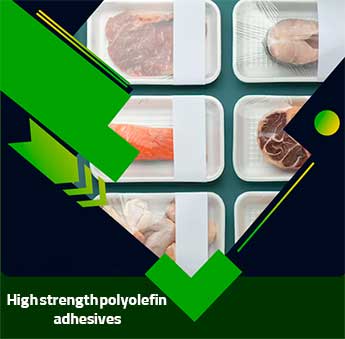
Polyolefin adhesives are very popular in various industries due to their exceptional bonding capabilities as well as their compatibility with a variety of materials. In this article, we will explore the types of polyolefin adhesives, their properties, and their various applications.
Introduction to Polyolefins
Polyolefins are a class of thermoplastic polymers that include materials such as polyethylene and polypropylene. These polymers are highly durable due to their excellent resistance to solvents, low surface energy, and low surface energy. The low surface energy of these materials makes them difficult to bond without the use of special adhesives.
Types of polyolefin adhesives
There are several types of polyolefin adhesives available on the market, each with unique properties and applications. Some of the most popular polyolefin adhesives include:
1- Cyanoacrylates
Cyanoacrylates are a type of adhesive that can be used to bond polyolefins in combination with a polyolefin primer. These adhesives provide a strong bond with high resistance to non-polar solvents such as motor oil and gasoline. However, they have low impact strength and may not be suitable for applications requiring high impact strength.
2- Acrylic
Acrylic adhesives, such as the Permabond TA46XX series, are suitable for bonding polyolefins that require impact strength or higher resistance to water and other polar solvents. These adhesives can be easily dispensed from a dual cartridge and require no mixing. Interestingly, the adhesives bond a wide range of materials, including PTFE and silicone rubber, without the need for surface treatment or priming.
3- Amorphous polyolefin (APO/APAO)
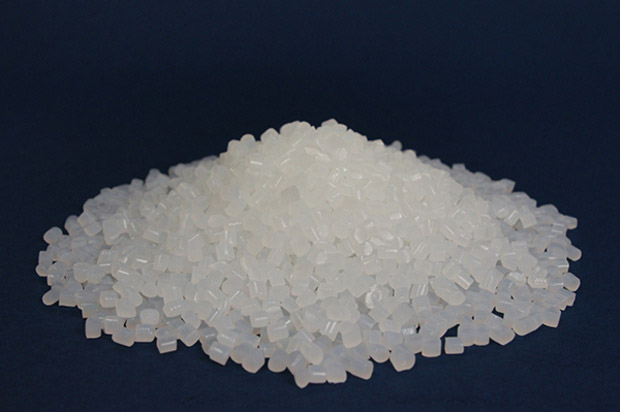
Amorphous polyolefin adhesives are a popular choice for bonding polyolefin substrates, particularly in the packaging industry. They offer high chemical resistance and are therefore suitable for a wide range of applications. APOs can be formulated with hardness, softening points and surface adhesion, allowing for customization based on the specific needs of a project.
BONDiT™ Adhesives
BONDiT adhesives are a range of products specifically designed to bond polyolefins to a variety of substrates including metals, ceramics and other thermoplastics. These adhesives are ideal for applications requiring long-term durability and resistance to harsh environments. BONDiT™ adhesives include products such as B-45TH, B-482TH, B-4682, and B-536TH, each offering varying levels of chemical resistance, bond strength, impact and vibration resistance, heat resistance and coefficient of expansion compatibility.
Surface preparation and priming
To achieve a strong bond between polyolefins and other substrates, proper surface preparation is essential. Common surface treatment methods for polyolefins include chemical, flame, discharge, and gas plasma. These methods improve the wettability of the adhesive on the polyolefin surface, allowing for a more secure bond.
Some adhesives, such as the BONDiT™ series or the Permabond TA46XX series, do not require surface treatment or priming, simplifying the bonding process and reducing overall costs.
Application of polyolefin adhesives
Polyolefin adhesives are used in a wide range of industries, some of which include:
1- Packaging industries
Polyolefin adhesives, especially APO hot melts, are widely used in packaging applications, such as bonding paper, plastic films, and metal foils to various substrates.
2- Assembly of automobiles and household appliances
Polyolefin adhesives have a variety of applications in the automotive and home appliance assembly industries due to their high resistance to moisture, chemicals, and their ability to bond hard-to-stick plastics such as polyolefin housings and parts.
3- Shoes and clothing
Polyolefin adhesives such as Bostik PO60 are used in the apparel and footwear industries to bond temperature-sensitive substrates and create a soft, flexible bond.
4- Medical equipment
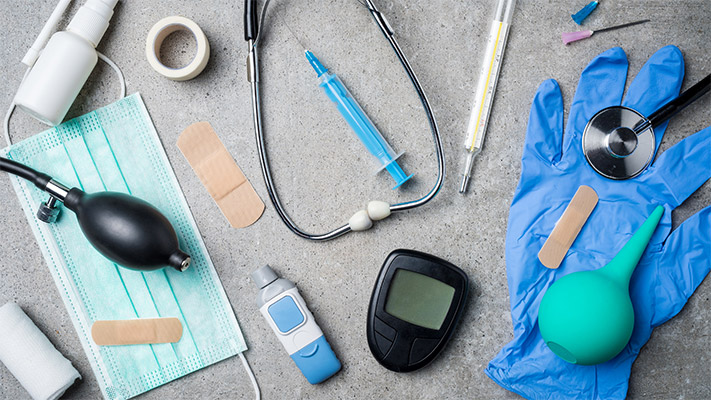
Certain polyolefin adhesives, such as Master Bond X21Med, are specifically formulated for use in medical devices and meet ISO 10993-5 standards.
5- Other applications
Amorphous polyolefin is commonly used in industries to produce items such as diapers, feminine hygiene products, and medical gowns.
What factors should be considered when choosing a polyolefin adhesive?
When selecting a polyolefin adhesive for a specific application, there are important factors to consider, including:
• Strength and impact resistance
• Resistance to solvents, chemicals and environmental conditions
• Sensitivity to substrate temperature
• Setting time
• Compatibility with substrates being bonded
• Ease of application and equipment required
Conclusion
Polyolefin adhesives are a versatile and effective solution for bonding polyolefins to a variety of substrates, and are popular in a variety of industries. By understanding the different types of adhesives available, their properties, and the factors to consider when selecting an adhesive, you can ensure the success of your project and the longevity of your product.
Behin Pardazan Koosha, under the brand name Behin Polymer, produces a variety of polyolefin adhesives under the brand name Beh Bond, which have active agents and chemical bonds capable of bonding polar and non-polar materials, improving adhesion, and enhancing mechanical properties, and are used in the preparation of polymer products. Interlayer adhesives are used in polymer/metal multilayer pipes to improve adhesion and enhance the properties of PEX and PERT pipes, and gas and oil transmission pipes.
For more information or to place an order, contact our experts or call us directly.