
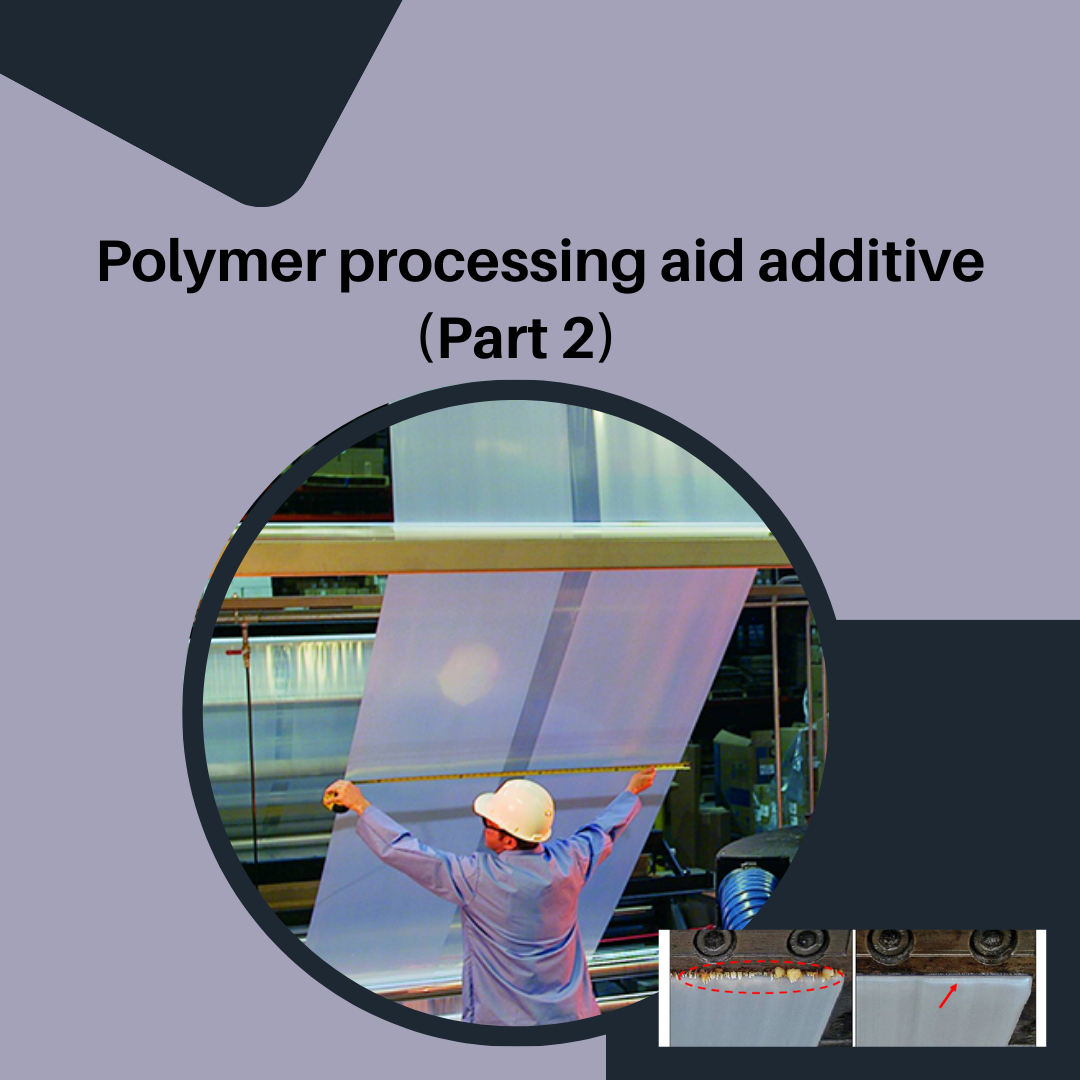
As mentioned in the first part of this article, polymer processing aids (PPAs) are special additives that are mainly used in the production process of polymers to improve the processability and also improve the quality of the final products. The applications of these additives are wide in various industries such as pipes and fittings, packaging, automotive and electronics. This article gives some applications of process aids.
1. Applications of process aid additives
1.1 Extrusion processes:
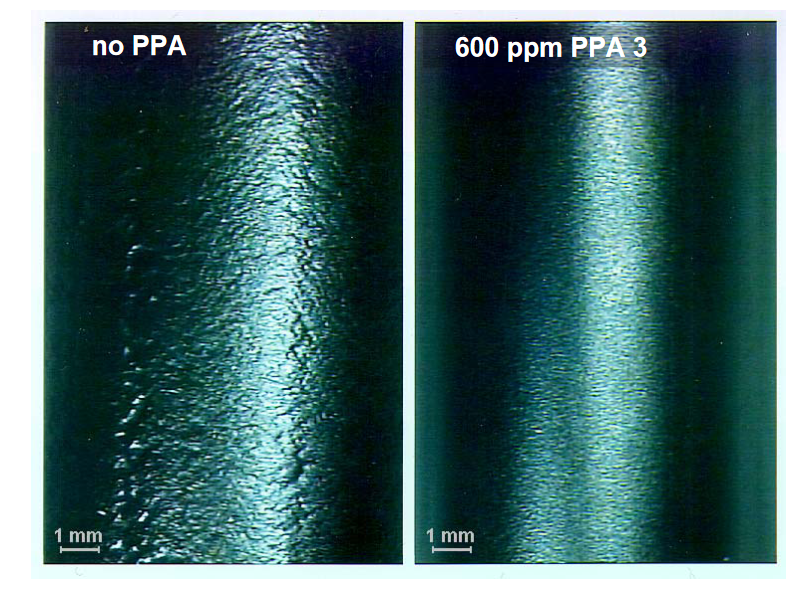
Process aids are mainly used in extrusion processes, these materials reduce the friction between the molten polymer and the metal surfaces of the machinery. This reduction in friction results in smoother flow, which leads to increased production and reduced energy consumption. Improved flow properties help eliminate melt breakage, which can lead to surface defects such as “shark skin” or “orange peel” textures in extruded products. This is especially important for achieving high-quality products such as pipes. These additives increase the stability of the polymer melt against thermal and mechanical stresses and prevent problems caused by turbulent flow or excessive shear stress during extrusion. These materials help reduce or eliminate build-up in the die, which can cause significant problems and defects in the extruded surfaces.
2.1. Film production:
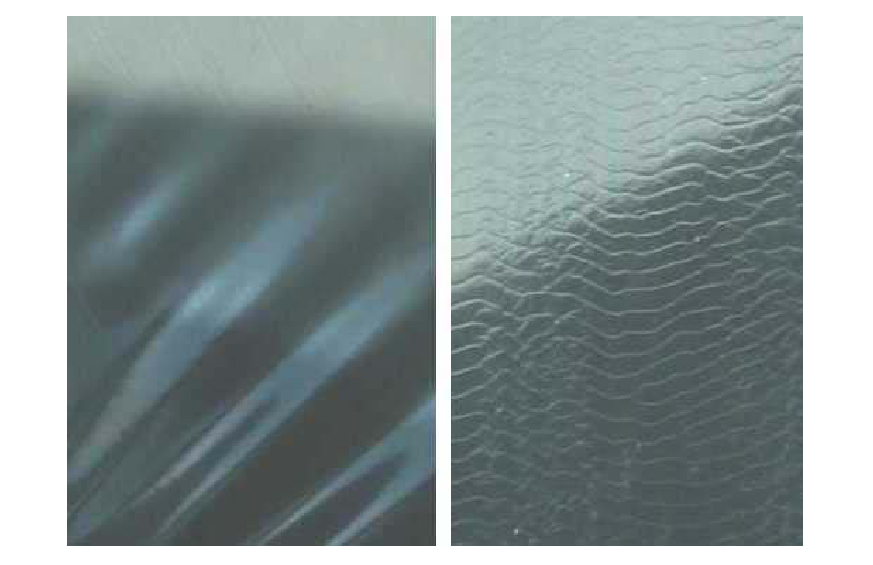
In blown film extrusion and casting, PPAs help eliminate melt fracture, which can lead to reduced surface defects in the final product. They also reduce die lip buildup.
3.1. Injection molding:
Polymer processing aids (PPAs) are essential additives used in injection molding to improve the processing properties of thermoplastic materials. These additives improve the flow of molten polymers, reduce defects, and ultimately increase the quality of the final products. Process aids improve the injection molding process by facilitating mold release and reducing the likelihood of sticking or fouling. This increases cycle time and reduces downtime for cleaning.
2. Prospects for the use of process aid additives
The outlook for the use of polymer processing aids in the polymer industry is generally positive, as these additives can improve production efficiency, product quality, and reduce production costs. As manufacturers continue to optimize the production of this product while adhering to strict standards, the role of PPAs will expand and strengthen innovation and competitiveness in the industry.
3. Conclusion
In short, polymer process aids are essential for optimizing manufacturing processes in the polymer industry. They not only facilitate these operations by addressing common processability and processing challenges of polymers, but also improve the overall quality and mechanical properties of the final products. By integrating PPAs into production lines, manufacturers can achieve greater efficiency, reduce costs, and increase the performance of their polymer products without compromising the final quality.
Resources:
https://patents.google.com/patent/US8648134B2/en
https://www.sciencedirect.com/topics/engineering/processing-aid
Content compilation: Maedeh Pirgharib Nawaz
Edited by: Dr. Mehrnaz Bahadori