

Abstract
This article provides an overview of solar panel cleaning solutions and emphasizes their importance in maintaining the efficiency and performance of photovoltaic systems. As solar panels accumulate dust, dirt, and other contaminants, their energy output can be significantly reduced, necessitating effective cleaning strategies. This article discusses the basic principles of solar panel cleaning, the different types of cleaning systems available, and their respective advantages and limitations.
1. Introduction
The global shift towards renewable energy sources has led to a significant increase in the adoption of solar power systems. Solar panels convert sunlight into electricity through photovoltaic (PV) cells, but their efficiency can be severely affected by the accumulation of dirt, dust, bird droppings, and other contaminants on surfaces. Studies have shown that dirt can reduce solar panel efficiency by 30 percent or more, depending on environmental conditions and geographic location.
Regular cleaning of solar panels is essential to ensure optimal performance and longevity. The purpose of this article is to review the various cleaning solutions available for solar panels, examining their effectiveness, safety considerations, and economic implications. By understanding the best practices for keeping solar panels clean, stakeholders can maximize energy production and extend the lifespan of their solar investments.
2. Types of pollutants
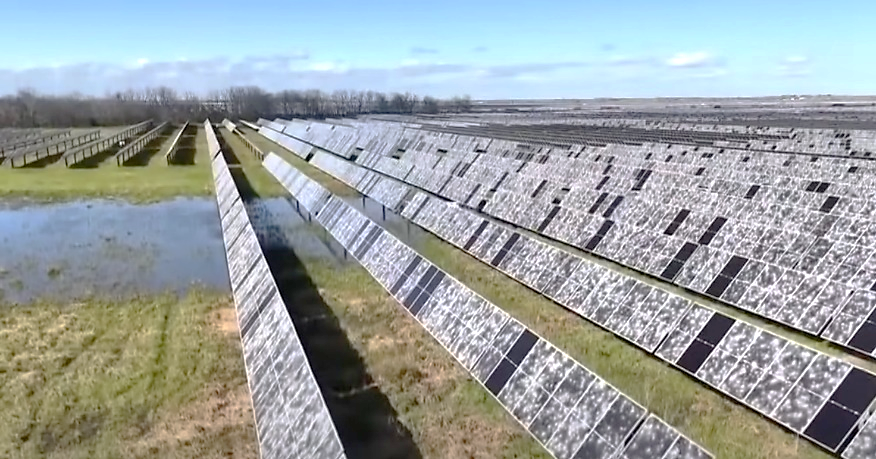
Different types of soil and debris (Figure 1) can affect solar panel performance:
Dust and dirt: Common in dry areas or areas with high traffic.
Bird droppings: Bird droppings can create stubborn stains that are difficult to remove.
Pollen: Seasonal accumulations of pollen can block sunlight.
Leaves and organic matter: Often found in residential areas surrounded by vegetation.
3. Different types of cleaning
Various methods have been developed to address the issue of solar panel dirt:
1.3. Manual cleaning
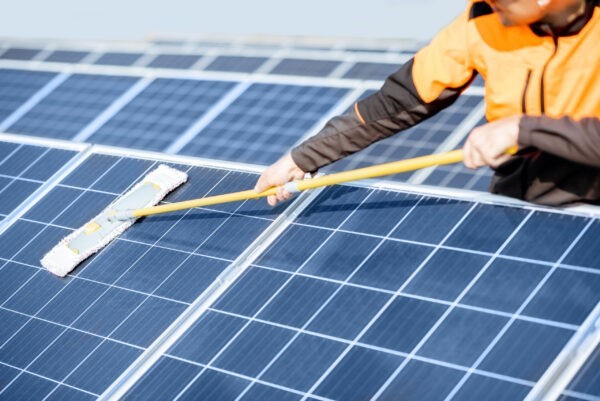
Manual cleaning is the most traditional method, involving physical scrubbing using water and non-abrasive materials such as soft brushes or cloths. While manual cleaning is effective in removing stubborn dirt, it can be labor intensive and pose safety hazards to personnel working at height (Figure 2).
2.3. Water spray nozzle systems
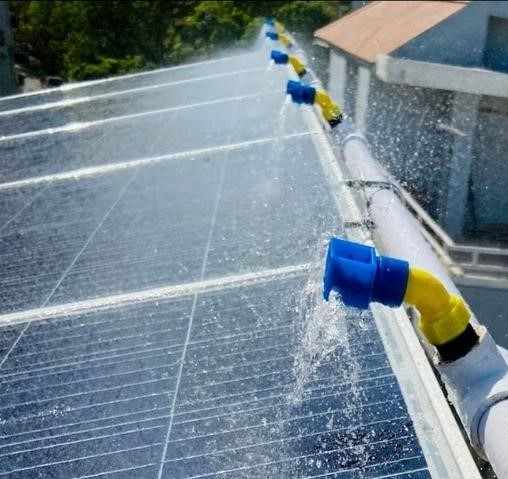
Automated water jet systems are designed to clean panels without direct human intervention. These systems can be programmed to operate at specific intervals, ensuring regular maintenance while minimizing labor costs (Figure 3).
3.3. Truck cleaning systems
These systems are ideal for large solar farms and use specialized trucks equipped with water tanks and brushes to effectively cover large areas. They can operate in a variety of weather conditions and are particularly useful in areas where manual access is challenging.
4.3. Electrodynamic Screen (EDS)
This innovative technology uses electric fields to remove dust particles from panel surfaces without the need for water or chemicals. EDS is effective in significantly reducing the amount of dirt, while being environmentally friendly.
5.3. Robotic cleaners
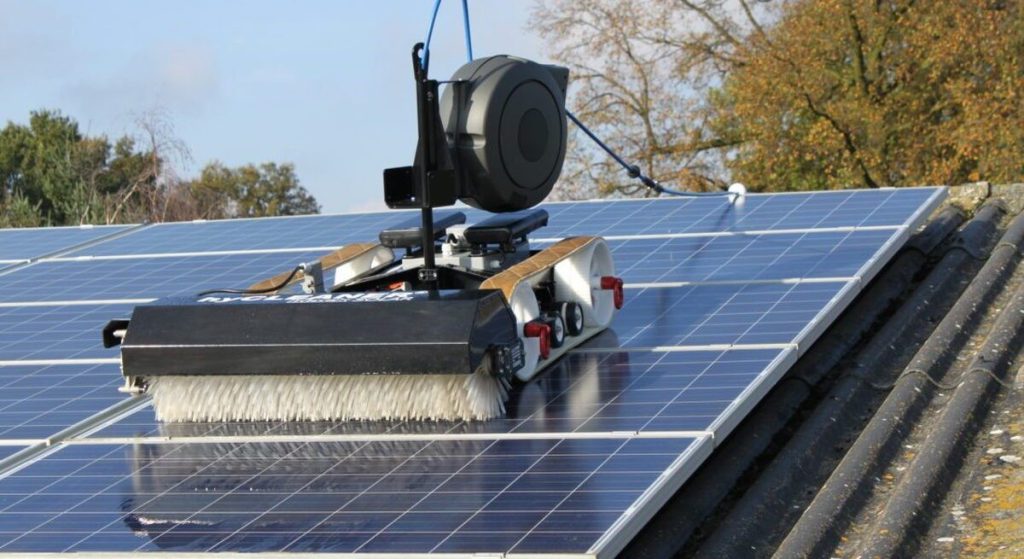
Autonomous robots specifically designed to traverse solar panel arrays offer a highly efficient solution to maintaining cleanliness. These robots can operate autonomously and use brushes or wet wipes to clean surfaces while minimizing human intervention (Figure 4).
6.3. Aerial cleaning by drones
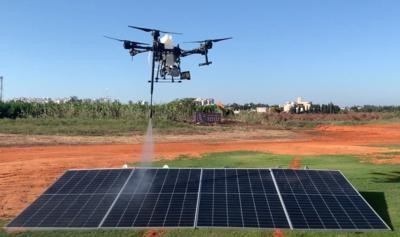
Drones equipped with specialized cleaning mechanisms can quickly access hard-to-reach areas of large installations. This method allows for efficient coverage of large solar farms while reducing labor costs (Figure 5).
7.3. Self-cleaning technologies
Innovations such as superhydrophobic coatings minimize dirt accumulation on panel surfaces by creating a water-repellent layer. These coatings can significantly reduce the frequency of manual cleaning required.
4. The effect of cleaning on solar panel efficiency
The relationship between solar panel cleanliness and energy efficiency is critical to maximizing the output of photovoltaic systems. Research shows that dirty solar panels can have a significant reduction in efficiency due to accumulated contaminants that block sunlight from reaching the photovoltaic cells.
1.4. Control of efficiency degradation
In highly polluted environments, efficiency losses can be as high as 30% compared to clean panels. Regularly maintained systems, if not cleaned adequately, may still see reductions of 15-25%. Commercial arrays that have been properly cleaned have shown efficiency increases of up to 60%, demonstrating the importance of regular maintenance. The interconnected nature of solar cells in panels means that shading on one cell can negatively impact the performance of the entire panel. Therefore, ensuring cleanliness is not just a cosmetic issue. It directly relates to energy production capabilities.
2.4. Long-term economic benefits
Investing in regular cleaning procedures not only increases performance, but also results in significant cost savings over time. Higher efficiency directly translates into increased energy production. Regular maintenance ensures that users maximize their return on investment by avoiding potential losses from reduced output due to dirt buildup. Keeping panels clean prevents long-term damage from corrosion or stains
3.4. Cleaning recommendations
Perform a visual inspection every few months to detect early dirt buildup. Set a cleaning schedule based on environmental factors – more frequent cleaning may be necessary in dusty areas compared to cleaner environments.
5. Conclusion
Keeping solar panels clean is critical to ensuring their efficiency and longevity. The choice of cleaning method depends on a variety of factors, including the size of the installation, environmental conditions, economic considerations, and safety protocols. As technology advances, automated solutions such as robotic cleaners and drone-based systems are becoming more common, offering efficient and cost-effective options for solar panel maintenance.
To maximize energy production from solar installations, it is essential to adopt a preventative approach to maintenance that includes regular monitoring and timely cleaning interventions tailored to specific environmental conditions. By investing in appropriate cleaning technologies and practices, stakeholders can increase the performance and reliability of solar energy systems while contributing to a more sustainable future.
References
- Myyas, R.N., Al-Dabbasa, M., Tostado-Véliz, M., Jurado, F., (2023). A Review on Solar Panel Cleaning Systems and Techniques. *MDPI*. [Link](https://www.mdpi.com/1996-1073/16/24/7960)
- DualSun (n.d.). The Complete Guide to the Cleaning and Maintenance of Solar Panels.[Link](https://dualsun.com/en/guides/installation-maintenance/cleaning-maintenance-solar-panel/)
- Design and Analysis of Automated Solar Panel Cleaning System (2023). *CWE Journal*. [Link](https://www.cwejournal.org/vol18no3/pdesign-and-analysis-of-automated-solar-panel-cleaning-systemp)
- Nahar Myyas Ra’ed et al., (2022). A Novel Solar Panel Cleaning Mechanism to Improve Performance and Harvesting Rainwater.*ScienceDirect*. [Link](https://www.sciencedirect.com/science/article/abs/pii/S0038092X2200233X)
- Saravanan V.S., Darvekar S.K., (2018). Solar Photovoltaic Panels Cleaning Methods: A Review.*International Journal of Pure & Applied Mathematics*. [Link](https://www.researchgate.net/publication/376363902_A_Review_on_Solar_Panel_Cleaning_Systems_and_Techniques)
- Kauffman, J., & Kauffman, J.M., (2020). Eco-Friendly Cleaning Products: A Review of Biodegradable Surfactants and Their Applications in Cleaning Solutions. *Journal of Environmental Management*, 260(110019).
Content compilation: Mehrnaz Bahadori