
Abstract
This paper presents a comprehensive analysis of solar panel cleaning solutions, focusing on chemical components that enhance cleaning efficiency while ensuring safety for the panels and the environment. The study categorizes these components into surfactants, solvents, pH adjusters, biodegradable elements, and fragrance/color additives. Each category is examined in detail, highlighting specific examples and their role in effective cleaning. The findings emphasize the importance of selecting the right cleaning solutions to maintain the efficiency and longevity of solar panels while minimizing environmental impacts.
1. Introduction
With the increasing global demand for renewable energy, solar energy has emerged as a major source of clean energy. However, the efficiency of solar panels can be significantly compromised by the accumulation of dirt, dust, bird droppings and other contaminants on their surfaces. Research has shown that dirt can reduce solar panel efficiency by up to 30%, making regular cleaning essential for optimal performance. By understanding these components, users can make informed decisions about maintaining their solar panels and maximizing energy production.
2. Types of chemical components in solar panel cleaners
Solar panel cleaning solutions are formulated with various chemical components that work synergistically to improve the cleaning process. Understanding these components is essential to selecting effective cleaners that will maintain the performance and integrity of solar panels. Here, we explain the types of chemical components commonly found in solar panel cleaners:
1.2. Surfactants
Surfactants, or surface-active agents, are important ingredients in many cleaning solutions because of their ability to reduce surface tension. This property allows water to spread more easily across surfaces, improving penetration and removal of dirt and grime.
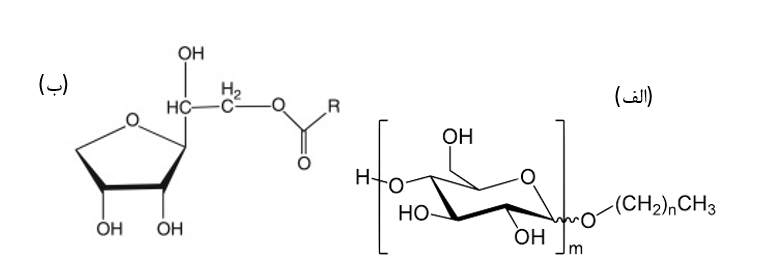
Nonionic surfactants: These surfactants are non-ionic and are less likely to irritate the skin or harm the environment. They are effective at removing oily stains and are often used in formulas designed for solar panels. Alkyl polyglucosides (APGs) are in this class and are derived from renewable resources such as corn or palm oil. APGs are biodegradable and provide excellent cleaning power without harshness. Sorbitan esters, a nonionic surfactant, help stabilize emulsions and increase the wetting properties of cleaning solutions (Figure 1).
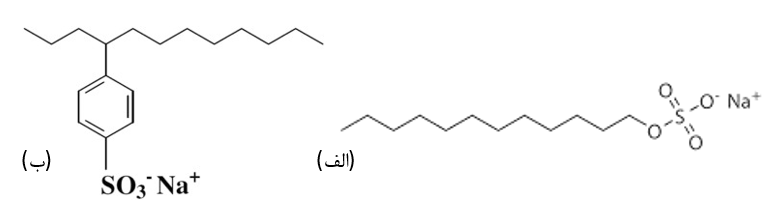
Anionic Surfactants: Anionic surfactants carry a negative charge and are effective in removing suspended particles. They are commonly used in formulations that aim to break down dirt. Sodium lauryl sulfate (SLS), a widely used anionic surfactant, is known for its foaming properties. SLS is effective in removing dirt but can be harsh on sensitive surfaces if not diluted properly. Linear alkylbenzene sulfonates (LABS) are very effective in removing oil stains and are biodegradable, making them suitable for environmentally friendly cleaners (Figure 2).
2.2. Solvents
Solvents play an important role in dissolving dirt, grease, and other contaminants, allowing surfactants to work more effectively.
Alcohols: Alcohols are commonly used solvents because of their ability to evaporate quickly. Isopropyl alcohol (IPA) is often used in cleaning solutions because of its effectiveness in removing organic deposits such as bird droppings and tree sap. IPA is safe for use on most solar panel surfaces when properly diluted. Ethanol, another effective solvent, can dissolve oils and fats while being less toxic than other solvents.
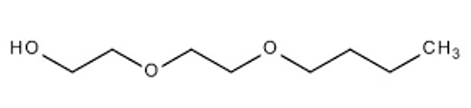
Glycol Ethers: Glycol ethers are solvents that provide a balance between water solubility and oil solubility that makes them useful for cleaning. Diethylene glycol butyl ether (DEGBE) is known for its ability to dissolve oils and greases while being less hazardous than traditional solvents. It is often included in formulations aimed at cleaning heavily soiled panels (Figure 3).
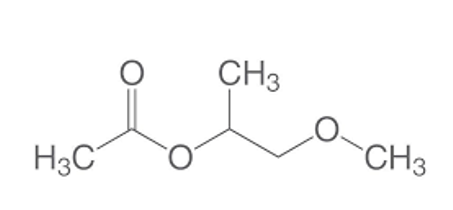
Surfactant-based solvents: Some cleaners use surfactant-based solvents that combine the properties of surfactants with solvents to increase cleaning efficiency. Propylene glycol methyl ether (PGME) has excellent solvency properties and is often used in formulations due to its ability to dissolve a wide range of contaminants while being environmentally safe (Figure 4).
3.2. pH regulator:
The pH level of a cleaning solution can significantly affect its effectiveness and safety. Most solar panel cleaners aim for a neutral pH (around 7) to avoid damaging the panels.
Citric acid is often used as a natural pH adjuster that can help break down mineral deposits without being too harsh on panel surfaces. It is biodegradable and poses minimal environmental risks.
Sodium bicarbonate, commonly known as baking soda, can adjust pH levels while providing mild abrasive properties that help clean panels without scratching. Its alkaline nature helps neutralize acidic contaminants.
Phosphoric acid may be used in some formulations to adjust pH levels or help remove mineral deposits. However, care must be taken as it can be corrosive if not diluted sufficiently.
4.2. Biodegradable components
With increasing environmental awareness, many solar panel cleaners now contain biodegradable ingredients, minimizing environmental impact.
Plant-based surfactants: Ingredients derived from plants provide effective cleaning while being environmentally friendly. Saponins are compounds found naturally in various plants (e.g., soaps) that have surfactant properties. They effectively remove soil while being safe for the environment.
Enzymes: Some formulations contain enzymes that break down organic matter, such as proteins and fats found in bird droppings or pollen. Proteases are enzymes that break down protein stains and increase the effectiveness of cleaning solutions against organic debris. Lipase is one enzyme that targets fat-based stains, making them especially useful for removing grease residue from solar panels.
5.2. Fragrance and color additives
While not essential for cleaning efficiency, fragrance and color additives can enhance the user experience by providing pleasant scents or visual appeal.
Fragrances: Many commercial cleaners contain fragrances to mask unpleasant odors from contaminants during the cleaning process. These fragrances should be non-toxic and environmentally friendly.
Colorants: Color additives may be included for aesthetic purposes or to indicate when the cleaner has been effectively applied. Non-toxic dyes ensure that they do not pose environmental hazards in runoff.
3. Conclusion:
Choosing the right chemical components in solar panel cleaners is critical to optimizing cleaning efficiency while protecting the panels and the environment. By using a combination of surfactants, solvents, pH adjusters, biodegradable components, and other additives, manufacturers can create effective products that improve solar panel maintenance practices. As technology advances, ongoing research is likely to lead to more innovative formulations that prioritize efficiency and sustainability in solar panel care.
References
- Khan, M. A., & Raza, S. (2022).“Eco-Friendly Cleaning Solutions for Solar Panels: A Review.” Renewable and Sustainable Energy Reviews, 153, 111757.
- Hassan, M. A., & Hossain, M. S. (2021).“Performance Evaluation of Different Cleaning Agents on Photovoltaic Panels.” Energy Reports, 7, 123-130.
- Sá Carneiro, F., & Ferreira, J. (2020).“The Importance of Using Appropriate Cleaning Solutions for Solar Panels.” Journal of Cleaner Production, 263, 121505.
- Zhou, Y., & Wang, L. (2019).“Impact of Dust Accumulation on Solar Panel Performance: A Case Study.” Solar Energy Materials and Solar Cells, 200, 109943.
- Azar, M., & Mohammadi, A. (2022).“Enhancing the Performance of Photovoltaic Solar Panels by Self-Cleaning Coatings.” Materials Today: Proceedings, 55(1), 100-106.
Compiled by: Mehrnaz Bahadori