
Abstract
U-PVC adhesive is a specialty adhesive designed for joining hardened polyvinyl chloride (U-PVC) pipes and fittings. Its unique chemical properties create strong, durable bonds that are essential in a variety of applications, particularly in plumbing and construction. This article reviews the applications of U-PVC adhesive and examines its effectiveness in leak-proof seals and structural integrity in a variety of environments. By understanding its applications, users can make informed decisions about its use in their projects.
Introduction
Unplasticized polyvinyl chloride (U-PVC) has become a popular choice in the construction and plumbing industries due to its durability, corrosion resistance and versatility. However, the effectiveness of U-PVC products is highly dependent on the quality of the joints made between the pipes and fittings. U-PVC adhesive plays a crucial role in this and provides a reliable method of securely joining these components. U-PVC adhesive works by chemically softening the surfaces of the materials being joined, allowing them to fuse together after curing. This article explores the various applications of U-PVC adhesive.
1. Applications
1.1. Piping systems
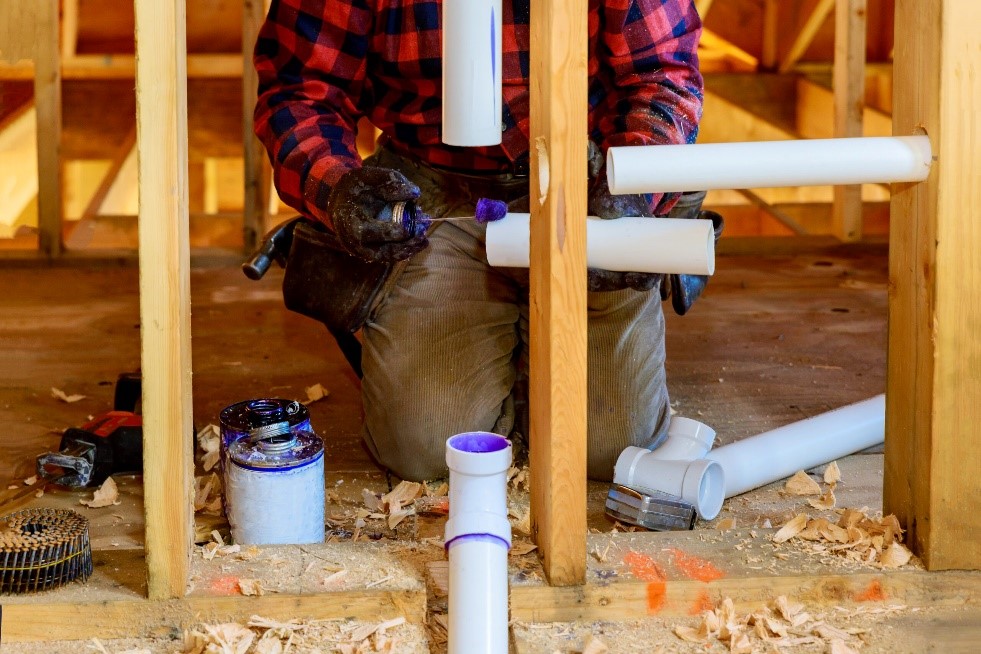
One of the primary applications of U-PVC adhesive is in plumbing systems. It is widely used to bond U-PVC pipes and fittings, creating strong, secure joints that can withstand water pressure without leaking. The fast-setting nature of U-PVC adhesive allows for quick installation, making it a preferred choice among plumbers (Figure 1).
• Leak-proof seals: The chemical bonding process ensures that the joints are leak-proof, which is critical to maintaining the integrity of piping systems. When properly applied, U-PVC adhesive creates a joint that can withstand high pressures without failure.
• Versatility: U-PVC solvent cement can be used for both cold and hot water applications, making it suitable for a variety of plumbing needs. Its compatibility with different pipe sizes and types allows for flexibility in design and installation.
2.1. Irrigation systems
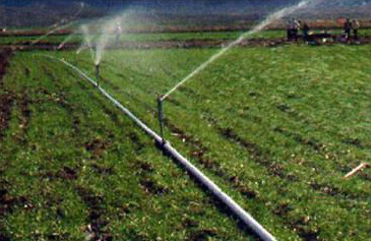
In agricultural environments, U-PVC pipes are commonly used for irrigation systems. U-PVC adhesive provides durable joints that can withstand varying water pressures and environmental conditions (Figure 2).
• Durability: U-PVC ensures resistance to corrosion, which ensures that irrigation systems remain functional for a long time. This durability minimizes maintenance requirements and extends the life of the system.
• Cost-effectiveness: Using U-PVC adhesive reduces maintenance costs by minimizing leaks and ensuring long-lasting connections. Farmers benefit from reliable irrigation systems that improve crop performance without incurring frequent repair costs.
U-PVC’s resistance to chemicals makes it suitable for use in chemical processing applications. U-PVC adhesive is used to assemble pipes that transport various chemicals safely and without leakage.
• Chemical resistance: The ability to withstand exposure to harsh chemicals ensures the safety and performance of systems. This property is especially important in industries that work with corrosive materials.
• Safety: Properly connected connections reduce the risk of leaks that can lead to hazardous situations in chemical processing environments. This safety aspect is very important in maintaining workplace safety standards.
4.1. Installing vinyl flooring
U-PVC adhesive is used in vinyl flooring installations by bonding the tiles to the subfloor. This application increases durability and longevity while providing a seamless finish.
• Strong adhesion: The fast-drying properties of U-PVC adhesive allow for quick installation without compromising bond strength. This feature is especially useful in commercial environments where time is of the essence.
• Aesthetic appeal: Clean installation with minimal visible seams improves the overall appearance of vinyl flooring, making it an attractive option for residential and commercial spaces.
5.1. Construction of the pool
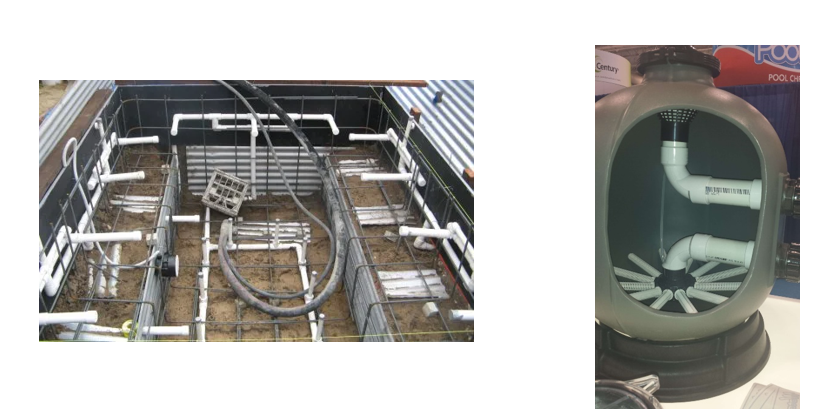
In pool construction, U-PVC pipes are essential for filtration systems (Figure 3). U-PVC adhesive ensures watertight connections, which are crucial for maintaining the pool’s hygiene and performance.
• Watertight Seals: Creating leak-proof connections is essential to prevent water loss and maintain proper filtration. This feature helps keep pools clean and reduces operating costs associated with water changes.
• Durability against various conditions: U-PVC’s resistance to UV rays and chemicals used in pool maintenance extends the lifespan of installations and ensures that they remain effective over time.
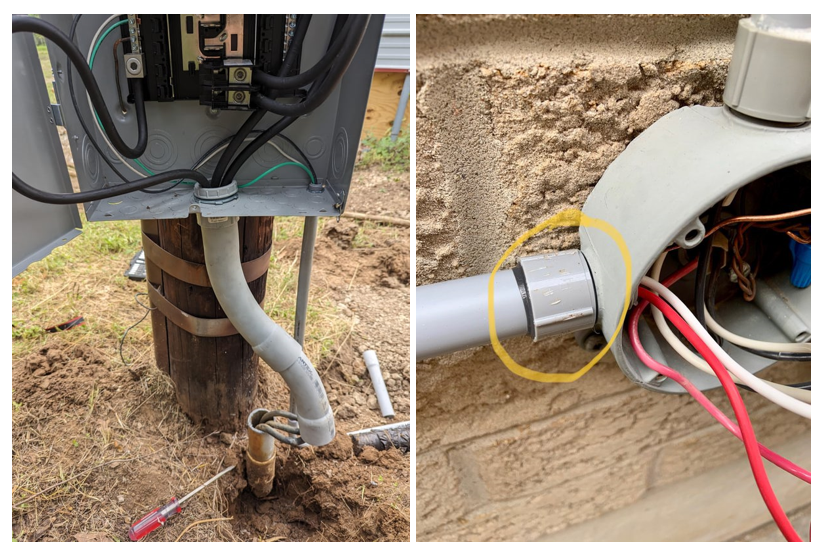
6.1. Electrical conduit systems
U-PVC pipes are often used as electrical wiring conduits due to their non-conductive properties (Figure 4). U-PVC adhesive effectively secures these conduits.
- Safety Compliance: Properly connected conduits help maintain electrical safety by preventing accidental disconnection or exposure. This compliance is critical to meeting regulatory standards in electrical installations.
- Ease of installation: The simplicity of using U-PVC adhesive enables efficient installation processes in electrical work, making it accessible to professionals.
Conclusion
U-PVC adhesive is an essential adhesive widely used in various industries due to its ability to create strong and durable bonds between U-PVC components. Its applications range from plumbing systems to chemical processing, irrigation systems, vinyl flooring installation, pool construction, and electrical conduit systems. By understanding the specific applications and benefits of U-PVC adhesive, professionals can ensure reliable installations that meet industry standards while maximizing efficiency and safety.
As the demand for effective bonding solutions continues to grow globally, advancements in formulation may enhance performance characteristics such as setting time and environmental impact considerations (such as low VOC options). Staying informed about these developments will enable users to make better choices regarding their projects involving U-PVC materials.
Content compilation: Dr. Mehrnaz Bahadori
Scientific Editor: Ma’adeh Pirgharib Nawaz