
Abstract
U-PVC solvent cement, commonly referred to as U-PVC adhesive, has become an important component in the assembly of rigid polyvinyl chloride (U-PVC) pipes and fittings. The versatility and performance of U-PVC adhesive make it essential in plumbing, construction, and various industrial applications. By understanding the properties and best practices associated with U-PVC adhesive, users can ensure strong, durable, and leak-proof joints in their projects.
Introduction:
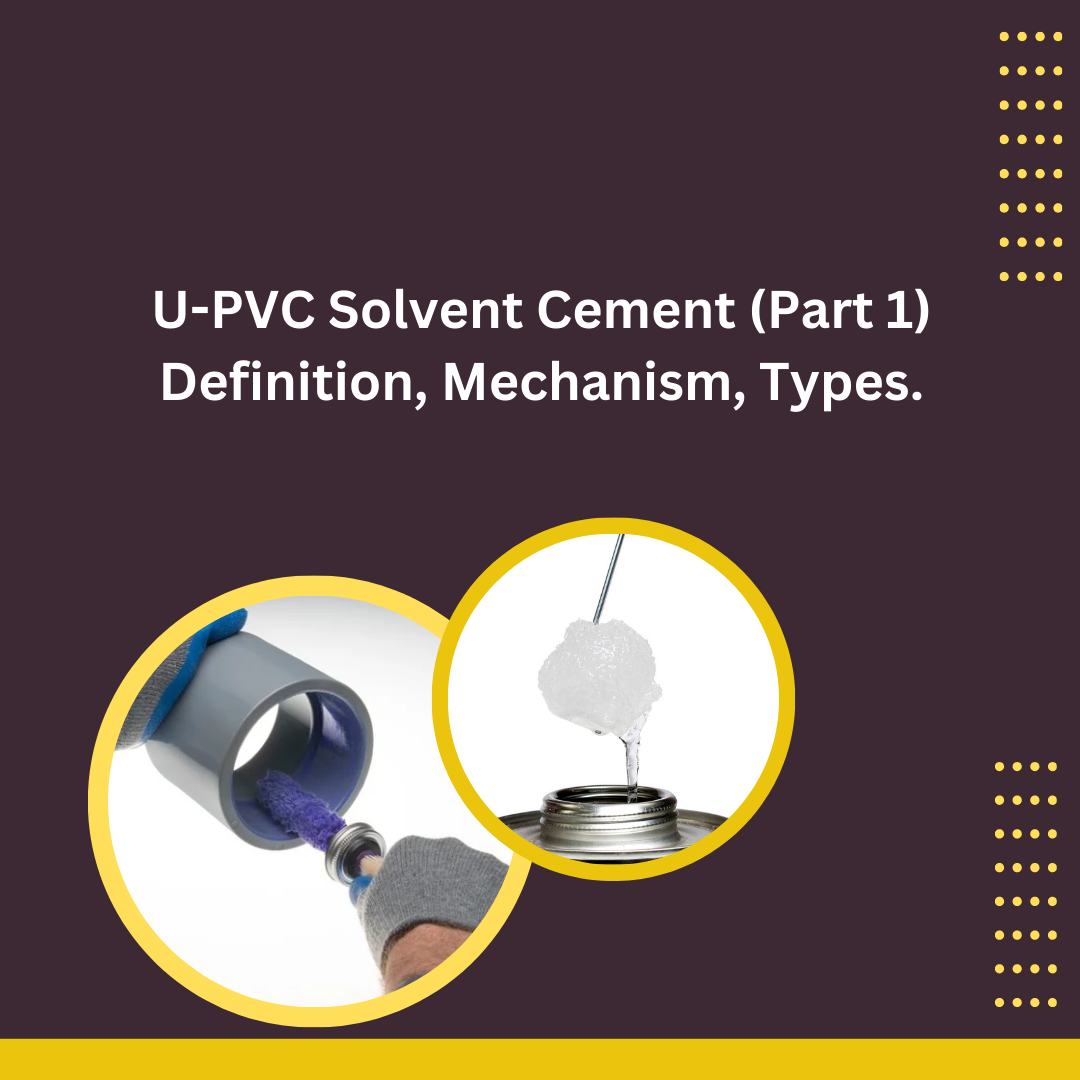
Rigid polyvinyl chloride (U-PVC) is one of the most widely used plastics in the world, especially in the construction and plumbing industries. Its popularity stems from its durability, corrosion resistance and versatility. However, the effectiveness of U-PVC products largely depends on the quality of the joints made between the pipes and fittings. This is where U-PVC adhesive plays a vital role (Figure 1).
< 0 >Figure 1. Using PVC glue to connect pipes and fittings
U-PVC adhesive is specifically formulated to bond U-PVC materials together through a chemical process that softens the surfaces being bonded. It creates a strong chemical bond that is often more durable than the materials themselves. The purpose of this article is to review the characteristics of U-PVC adhesive, classify it based on various criteria, its wide range of applications, and best practices for use. In addition, we will discuss one-component and multi-component adhesives as alternatives in specific applications.
2. Concepts
U-PVC adhesive is a type of adhesive designed to bond U-PVC pipes and fittings. The adhesive consists of a mixture of U-PVC resin dissolved in a solvent that acts as a carrier. When applied to the surfaces to be bonded, the solvent evaporates, allowing the resin to form a strong chemical bond between the U-PVC components. This process not only bonds the materials together, but also melts them at the molecular level, resulting in a bond that is often stronger than the pipe itself.
3. The process of creating a chemical bond
In general, the process of creating a link between two levels includes the following steps:
1. Surface preparation: The solvent softens the surface of the pipe and fittings.
2. Dissolution: The resin dissolves on soft surfaces.
3. Evaporation: When the solvent evaporates, it leaves behind a solid bond formed by the mixing of resin molecules from both pieces.
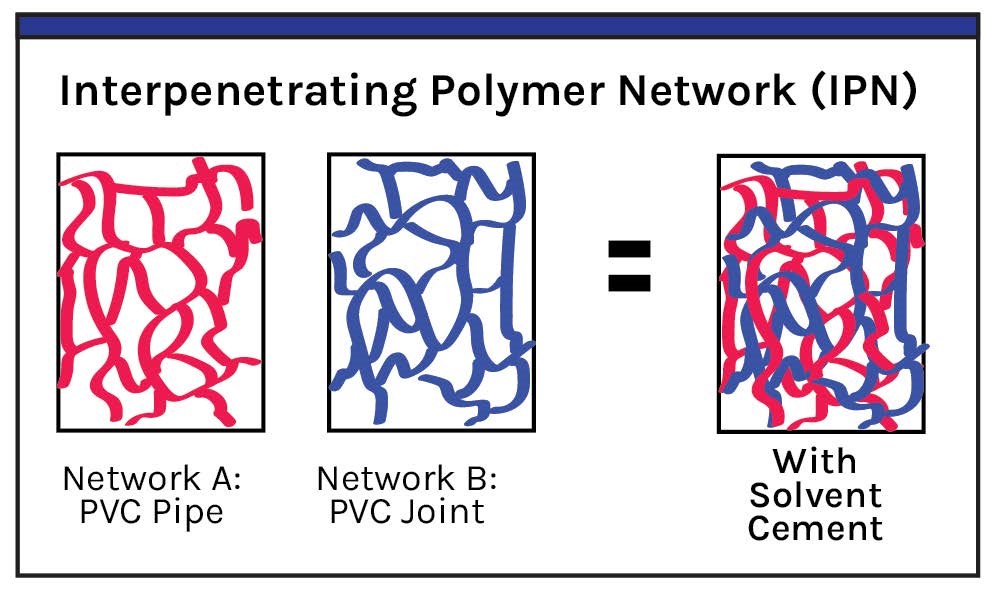
When U-PVC adhesive is applied to both surfaces (pipe and fitting), it initiates a chemical reaction that changes their molecular structure. The first step is softening. The solvents in the PVC penetrate the outer layer of the U-PVC surfaces. This penetration disrupts the tightly packed polymer chains in the material. The next step is interpolymer network (IPN) penetration (Figure 2). The solvent creates what can be visualized as an interlinked polymer network (IPN). Before use, these polymer chains are tightly wrapped together like spaghetti. The third step is molecular entanglement. Applying pressure (by pressing the pipe and fitting together) allows the softened molecular surfaces to become interwoven. The individual polymer chains from each piece become intertwined with each other. Curing is the final step. When the pressure is removed, the solvent evaporates over time, leaving a molten joint where the two pieces are chemically bonded at the molecular level. The bond is significantly stronger than traditional adhesives due to this interlocking process. This unique bonding mechanism allows for rapid set while maintaining high strength.
4. Classification
UPVC adhesives can be classified based on several criteria:
1.4. Viscosity:
• Regular texture: This type of adhesive has a lower viscosity and is suitable for smaller diameter pipes where ease of application is essential.
• Medium texture: This formula provides a balance between flow capabilities and viscosity, making it suitable for a variety of pipe sizes.
• Viscous texture: High viscosity adhesives are ideal for larger diameter pipes or when it is necessary to fill gaps in joints.
2.4. Temperature resistance:
• Low Temperature: Formulated to perform well in colder conditions without losing bonding effect.
• High Temperature: Designed for applications involving hot water or steam, where higher temperature resistance is required.
3.4. Volatile Organic Compounds (VOCs):
• Low VOC: These formulas are designed for use in indoor environments where ventilation may be limited, minimizing harmful emissions during use.
• Conventional VOC: A standard formulation that may emit higher levels of volatile organic compounds but is effective for outdoor applications.
4.4 Specialized adhesive:
• Transparent adhesive: Ideal for aesthetic applications where joints are exposed.
• Colored adhesives: In various colors to match specific tube colors or for aesthetic purposes.
5. Ingredients
The effectiveness of U-PVC adhesive lies in its formulated ingredients, each of which contributes to the overall performance and bonding capabilities of the adhesive. Understanding these components is essential to selecting the right product for specific applications and ensuring optimal results. Below, we review the raw materials found in U-PVC adhesive:
1.5. Solvents
Solvents are an important component of U-PVC adhesives that perform several functions:
• Resin Dissolution: The main function of solvents is to dissolve U-PVC resin, which creates a viscous liquid that is easily applied to surfaces. Common solvents used in U-PVC solvent cement formulations include:
Tetrahydrofuran (THF): Known for its excellent solubility properties, THF is effective in dissolving U-PVC and preparing surfaces for bonding.
Cyclohexanone: This solvent is often used for its ability to increase adhesion properties, while having a moderate evaporation rate.
Methyl Ethyl Ketone (MEK): MEK is another effective solvent that helps dissolve U-PVC resin and can improve the initial adhesion of the adhesive.
Acetone: While acetone is primarily used for cleaning purposes, it can also act as a solvent in certain formulations due to its fast evaporation rate.
• Surface preparation: Solvents also play a vital role in softening the surfaces of pipes and fittings. By penetrating the outer layer of U-PVC, they disrupt the tightly bound polymer chains, allowing for better mixing during application.
2.5. Thermoplastic resin
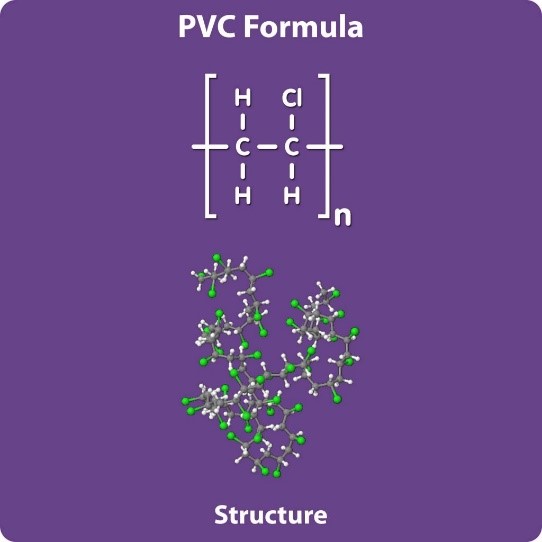
The primary resin used in U-PVC adhesives is rigid polyvinyl chloride (U-PVC) (Figure 3). The U-PVC resin provides the adhesive properties necessary to create strong bonds between U-PVC components. Once cured, it forms a solid matrix, ensuring that the bond is often stronger than the materials being joined. U-PVC is also known for its excellent resistance to various chemicals, making it suitable for applications involving water, wastewater and some industrial chemicals. This property increases the durability of joints made with U-PVC adhesives.
3.5. Filler:
Fillers are added to U-PVC adhesive formulations for two purposes:
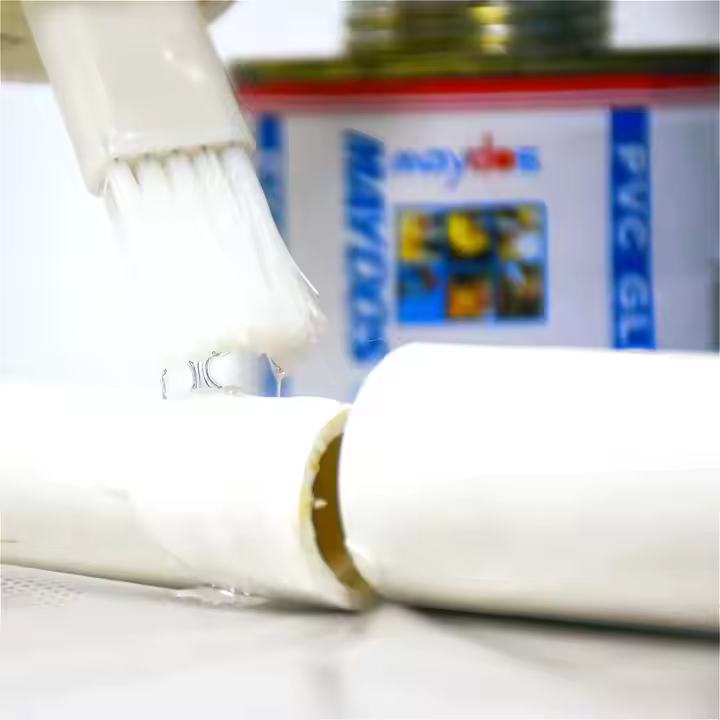
• Viscosity control: Fillers such as silica or talc are commonly used to modify viscosity. This allows for easier application and better control during installation (Figure 4).
• Gap filling capability: Fillers can also help improve the gap filling capabilities of the adhesive, ensuring that joints remain secure even in the presence of minor surface imperfections.
4.5. Thickeners
Thickeners are used to adjust the consistency of U-PVC adhesives. Thickening or thickening agents, such as acrylic copolymers, are often included to control viscosity and improve flow characteristics. The thickener ensures that the adhesive remains workable during use while still being thick enough to prevent dripping or running. Thickeners also help to stabilize the formulation, prevent separation of components over time, and ensure consistent performance throughout the product’s useful life.
5.5. Stabilizers
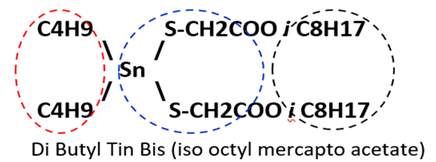
Stabilizers are essential additives that increase the life and performance of U-PVC adhesives. Common stabilizers, such as alkyl tin compounds (Figure 5), help prevent thermal degradation during production and during storage. These materials help the resin maintain its integrity over time. Also, some formulations may include UV stabilizers to protect against degradation caused by exposure to sunlight, especially in outdoor applications where pipes may be exposed to direct sunlight.
6.5. Color
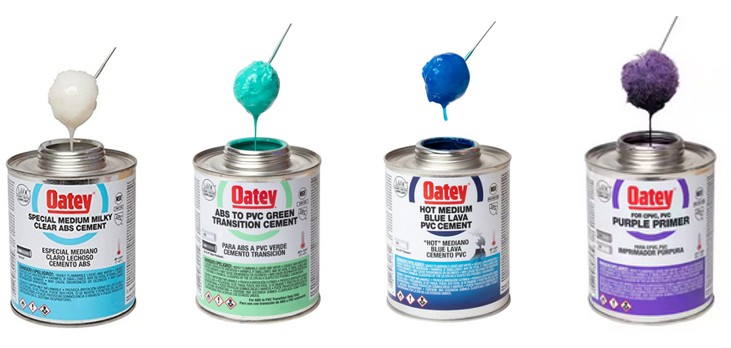
Colors in U-PVC adhesive are used for both functional and aesthetic purposes (Figure 6):
• Identification: Dyes or pigments can be added to differentiate between different types of adhesives or to indicate specific formulations (e.g., low VOC options). This helps users easily select the right product for their needs.
Aesthetic appeal: In some applications, colors may be used to match pipe colors or enhance visual appeal, especially in visible installations where aesthetics are important.
Conclusion
U-PVC adhesive is widely used in the plumbing and construction industries due to its ability to create strong and durable bonds between U-PVC components through a unique chemical bonding mechanism involving interlinked polymer networks (IPNs). As the demand for efficient plumbing solutions continues to grow globally, advances in U-PVC adhesive formulations are likely to enhance performance characteristics such as setting time and environmental impact considerations (e.g., low VOC options). Future innovations may focus on expanding applications beyond traditional applications to new markets such as renewable energy systems or advanced manufacturing processes. By being aware of these developments and following the application guidelines carefully, users can maximize the effectiveness of U-PVC adhesive in their projects while contributing to sustainable practices in their industries.
References
- Apollo Pipes Blog on PVC Solvent Cement: [Apollo Pipes](https://www.apollopipes.com/blog/pvc-solvent-cement)
- Chemical Formula Services Product Description: [Chemical Formula Services](https://chemicalformulaservices.com/product/pvc-solvent-cement/)
- Weld-On Adhesives Blog on Differences Between PVC Solvent Cement and Glue: [Weld-On](https://weldon.com/2024/05/07/the-difference-between-pvc-solvent-cement-and-pvc-glue/)
- Oatey Blog on Solvent Cements & Primers: [Oatey](https://www.oatey.com/faqs-blog-videos-case-studies/blog/oatey-101-solvent-cements-and-primers)
- SpecialChem Adhesives Formulation Guide on Solvent Cement for Joining PVC Pipe: [SpecialChem](https://adhesives.specialchem.com/formulation/solvent-cement-for-joining-pvc-pipe)
Content: Dr. Mehrnaz Bahadori
Scientific Editor: Maedeh Pirgharib Nawaz