
Abstract:
Biopolymers are polymers naturally produced by living organisms and include a wide range of materials such as polysaccharides, proteins, lipids, and nucleic acids. With the increasing awareness of environmental sustainability, biopolymers have attracted considerable attention due to their biodegradable properties and renewable resources. This article reviews the diverse applications of biopolymers in various industries including packaging, agriculture, medicine, textiles, food, cosmetics, and disposable containers. By analyzing recent advances and ongoing research, we explore the potential of biopolymers to change traditional practices and contribute to sustainable development.
Introduction:
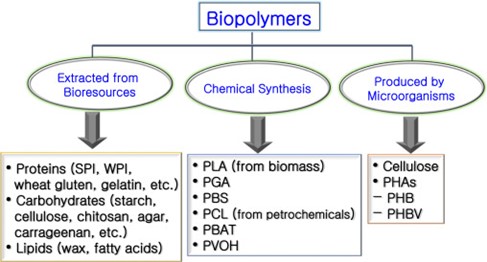
The demand for sustainable materials has increased due to increasing environmental concerns associated with petroleum-based plastics and other synthetic polymers. These materials, which dominate the market, contribute significantly to environmental pollution and degradation, prompting an urgent need for alternatives. Biopolymers (Figure 1), which are derived from renewable resources, offer a solution to some of these challenges. As defined by the American Society for Testing and Materials (ASTM), biopolymers include natural macromolecules synthesized by living organisms. Key types of biopolymers include polysaccharides (e.g., cellulose, starch, and chitosan), proteins (e.g., gelatin and casein), and polyesters (e.g., polylactic acid (PLA) and polyhydroxyalkanoates (PHAs)). Their unique properties—such as biodegradability, biocompatibility, versatility, and nontoxicity—make biopolymers viable alternatives in various sectors.
Applications:
1. Packaging
One of the most notable applications of biopolymers is in the packaging industry. Traditional plastic packaging contributes significantly to global waste and leads to pollution and environmental degradation. In contrast, biopolymer-based packaging materials are an environmentally friendly alternative that is both functional and sustainable.
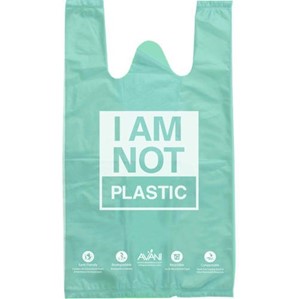
• Biodegradable films and bags: Materials such as polylactic acid (PLA) and polyhydroxybutyrate (PHB) are common in the production of biodegradable films and bags. These materials exhibit remarkable mechanical properties and decompose within a few months under appropriate conditions, greatly reducing landfill accumulation compared to traditional plastics that remain for centuries. The effectiveness of biopolymer-based packaging is enhanced by their excellent barrier properties against gases and moisture, making them suitable for packaging food products that require freshness and quality maintenance (Figure 2).
• Protective packaging: Biopolymers such as starch-based materials and chitosan are being used in protective packaging applications due to their lightweight yet strong nature. Innovations in this area include the development of biofoams (Figure 3), cushioning materials, and protective containers that offer similar protective qualities to conventional products while being less harmful to the environment. The growing demand for sustainable options has encouraged manufacturers to explore biopolymer solutions for electronic packaging, shipping materials, and delicate items that require cushioning and support during transit.

• Customizable properties: Another advantage of biopolymer packaging is its potential for customization. Manufacturers can incorporate additives and modifiers to create mechanical, barrier or aesthetic properties that enable diverse applications in the food, cosmetics and consumer goods sectors. This adaptability, combined with increasing consumer demand for green products, positions biopolymer packaging as a critical element in sustainable development in the packaging industry.
2. Agriculture
Biopolymers play an important role in agriculture through the development of biodegradable mulches, seed coatings, and soil conditioners, actively promoting sustainable agricultural practices. These applications not only increase agricultural productivity but also minimize environmental impacts.
• Biodegradable mulch films: Using materials such as starch and PLA, biodegradable mulch films are being made that can suppress weeds, retain moisture, and improve crop yield without adding to plastic waste. Conventional plastic mulch can remain in the soil for years, causing environmental damage, while biodegradable films naturally degrade at the end of the growing season, enriching the soil and enhancing the growth of subsequent crops (Figure 5).

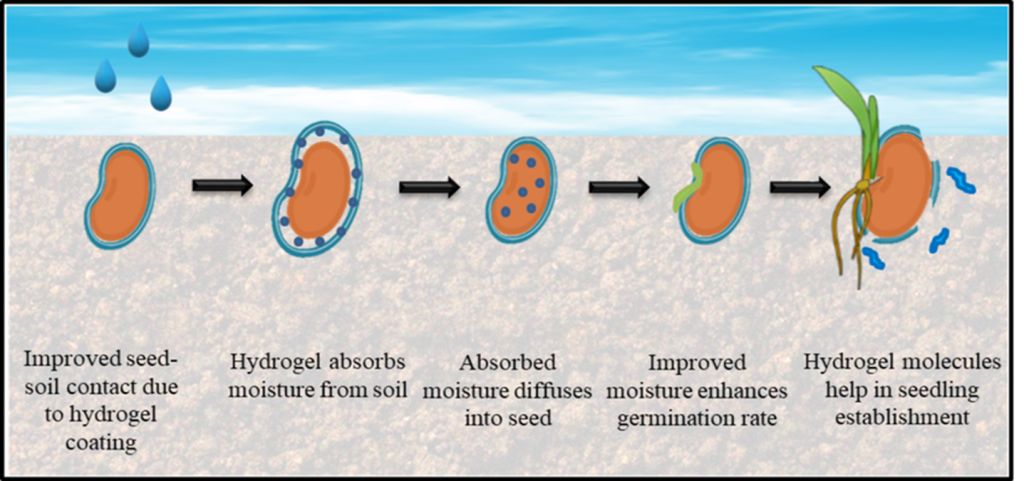
• Seed coatings: Biopolymer-based seed coatings are designed to enhance germination and seed growth by improving nutrient and moisture retention (Figure 5). Chitosan and gelatin have been investigated for this purpose, showing promising results in increasing seedling vigor and overall crop health by providing protective layers that prevent pathogens from attacking the seeds. In addition, biopolymer coatings can also contain nutrients or growth regulators that support plant establishment and resilience in different environmental conditions.
• Controlled-release fertilizers: Incorporating biopolymers into fertilizers allows for controlled release of nutrients, thereby reducing the risk of nutrient leaching and increasing nutrient availability to plants. Biopolymer-based fertilizers can provide timely delivery of nutrients, reducing the overall need for chemical fertilizers and their associated environmental impacts. This not only promotes more efficient agricultural practices, but also contributes to sustainable land management (Figure 6).
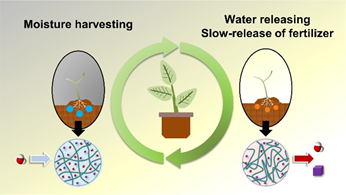
• Water retention agents: In addition to the above applications, biopolymers such as superabsorbent polymers derived from natural materials can be used in soil amendments to improve soil structure and increase water retention capacity, thereby supporting plant growth during periods of drought. This innovative use of biopolymers helps to build resilience in agricultural practices, helping to adapt to the challenges posed by climate change.
3. Medicine and Pharmacy
Biopolymers are increasingly used in the medical and pharmaceutical fields, offering innovative approaches for drug delivery and tissue engineering. Their biocompatibility and versatility make them ideal candidates for this purpose.
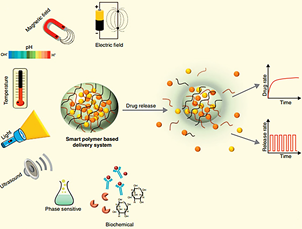
• Drug delivery systems: Biopolymers such as alginate, chitosan, and hyaluronic acid are used in the fabrication of advanced drug delivery systems due to their ability to encapsulate active pharmaceutical ingredients and control their release. These materials can be engineered to respond to different stimuli, provide targeted delivery and sustained release tailored to specific therapeutic needs, and improve drug bioavailability. In addition, the use of biodegradable carriers reduces the waste associated with conventional drug delivery systems (Figure 7).
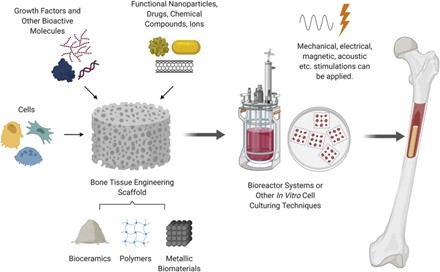
• Tissue engineering: The use of biopolymers in scaffolds for tissue engineering is a rapidly growing field with significant potential. Materials such as gelatin, collagen, and fibrinogen, which mimic the natural extracellular matrix, promote cell attachment and proliferation. Biopolymer-based scaffolds can facilitate the regeneration of various tissues, including bone, cartilage, and skin, and play an important role in regenerative medicine. The development of 3D-printed biopolymer scaffolds has increased the precision of tissue engineering, allowing the creation of structures that replicate the complex architecture of normal tissues. (Figure 8)
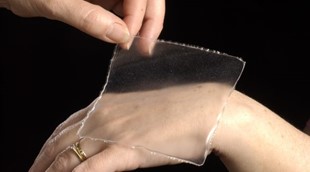
• Wound dressings: Biopolymers such as alginate, cellulose, and chitosan are used in the manufacture of advanced wound dressings designed to optimize the healing process. Their ability to absorb exudate and maintain a moist environment helps in wound healing while minimizing the risk of infection. In addition, biopolymers can be combined with antimicrobial agents or growth factors to increase their effectiveness against infectious agents and support tissue regeneration. (Figure 9)
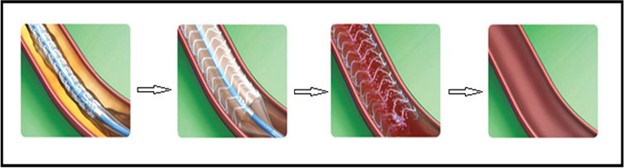
• Implantable devices: Biopolymers are also used in the manufacture of implantable medical devices. Their biocompatibility offers a solution for devices that require integration into biological tissues, reducing the risk of rejection. Biodegradable stents and scaffolds made from biopolymers eliminate the need for secondary surgeries, representing a significant advance in medical implant technology. (Figure 10)
4. Textiles
The textile industry is increasingly exploring biopolymers as sustainable alternatives to synthetic fibers. Conventional, often petroleum-based, textiles, which lead to serious environmental issues, have increased attention to environmentally friendly materials.
• Biopolymer fibers: Fibers derived from biopolymers such as PLA, Lyocell, and silk fibroin have gained attention due to their eco-friendly credentials and functional properties. These materials exhibit desirable characteristics such as breathability, moisture management, softness, and durability, making them suitable for a wide range of applications, from casual wear to specialized technical textiles (Figure 11).
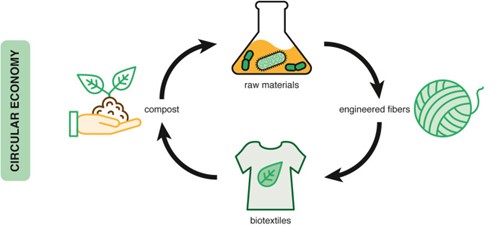
• Functional coatings: Biopolymers are also used in the creation of functional coatings that enhance the performance of textiles. For example, chitosan can impart antimicrobial properties to fabrics, making them suitable for hygienic applications. In addition, hydrophobic coatings derived from biopolymers can enhance the hydrophobicity and improve the performance of technical textiles used in outdoor applications.
• Sustainable production methods: Biopolymer textile production emphasizes sustainability through water conservation, reduced chemical use, and lower carbon emissions compared to conventional textiles. Innovations in textile production, such as the use of organic and sustainable farming methods for natural fibers, are in line with consumer demands for products that do not pose environmental problems.
• Waste reduction: Biopolymer textiles also support waste reduction initiatives. By using biodegradable textile fibers, the industry can move towards a circular economy where textiles naturally decompose at the end of their life cycle, minimizing the contribution to landfill and reducing the demand for raw materials. This shift can significantly reduce the environmental impact of the textile industry.
5. Food industry
The food industry benefits from a variety of applications of biopolymers with respect to packaging, preservation, and performance. Innovations in this sector address concerns about sustainability and food safety.
• Food packaging: As with general packaging, biopolymers such as casein, pectin, and gelatin are being used to create edible, biodegradable packaging materials that reduce food waste and environmental impact. These materials can extend the shelf life of food products while providing a sensory experience through taste and texture. For example, edible films made from biopolymers can replace traditional plastic wraps and ensure food stays fresh without creating plastic pollution (Figure 12).
• Preservatives: Biopolymers such as alginate and pectin act as natural preservatives in food products, offering an alternative to synthetic preservatives. Their ability to form gels, thicken, and emulsify enhances food quality without the adverse effects associated with chemical additives. This natural approach is appealing to consumers looking for healthier, less processed food options.
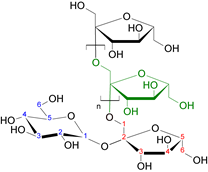
• Functional food ingredients: Biopolymers can act as dietary fibers and enhance the nutritional performance of food products. Materials such as inulin (Figure 13) and resistant starch, which are derived from biopolymers, are widely incorporated into functional foods to promote gut health, support digestion, and improve overall nutrition. The health benefits associated with these ingredients have led to a growing market for functional foods that meet consumers’ needs for a healthier lifestyle.
• Biopolymer-based food treatments: Research is ongoing to explore the application of biopolymers to food safety and quality, including treatments that can inhibit microbial growth and extend shelf life. By integrating biopolymer-based coatings and films into food processing, manufacturers can enhance food safety while maintaining quality, ultimately benefiting both producers and consumers.
6. Cosmetics
The cosmetic industry has begun using biopolymers in various formulations due to their biocompatibility and skin-friendly properties. The shift towards clean and natural products reflects changing consumer preferences and regulatory pressures.
• Thickeners and stabilizers: Biopolymers such as xanthan gum, guar gum, and cellulose derivatives are used as natural thickeners and stabilizers in lotions, creams, and gels. These compounds improve the texture and viscosity of cosmetic formulations while offering a natural alternative to synthetic additives. Their ability to form stable emulsions contributes to the overall performance of cosmetic products while ensuring safety for consumers.
• Delivery of active ingredients: Encapsulation techniques based on biopolymers are used for the effective delivery of active ingredients in cosmetics. This method allows for controlled release and improves the stability of sensitive ingredients used in the formulation, helping to increase product efficacy. For example, encapsulating vitamins and antioxidants in biopolymer carriers ensures that these active ingredients remain effective until they are applied to the skin.
• Natural Skin Care Products: The rise of natural and organic skin care products has led to an increased focus on sourcing biopolymers from renewable sources for various formulations. This trend responds to consumer demand for transparency and sustainability in personal care products.
• Anti-aging and healing applications: Biopolymers are known for their potential in the development of anti-aging and healing formulations. For example, hyaluronic acid, a widely used biopolymer in skin care, is known for its moisture-retaining properties, making it a key ingredient in anti-aging products. Biopolymer gels used in topical treatments can have soothing properties for irritated skin, contributing to advances in cosmetic dermatology.
7. Disposable dishes
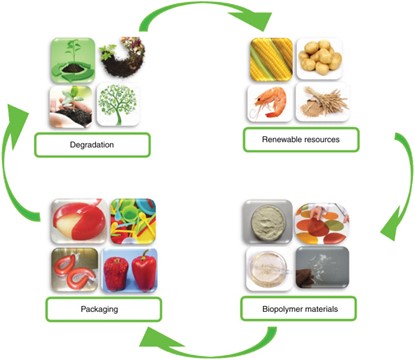
One of the important and emerging applications of biopolymers lies in the manufacture of disposable containers, which are influenced by the global pressure for environmental sustainability. Conventional containers used for food, beverages and various single-use applications significantly contribute to environmental problems such as plastic pollution. Disposable containers based on biopolymers are an environmentally friendly alternative (Figure 13).

• Biodegradable containers: Materials made from materials such as PLA, PHA, and starch-based polymers are suitable materials for disposable containers. Unlike traditional plastic containers that can take hundreds of years to decompose, biopolymer containers can biodegrade within a few weeks to months under the right environmental conditions. This feature greatly reduces their environmental impact, making them attractive to manufacturers and consumers who are increasingly environmentally conscious.
• Compostable properties: A significant advantage of biopolymer disposable containers is their potential for compostability. Many of these materials can be composted in industrial facilities, returning valuable nutrients to the soil instead of being landfilled. This property aligns with the principles of the circular economy and thus promotes sustainable waste management practices.
• Market Demand and Regulation: Growing regulatory frameworks aimed at reducing plastic waste are fueling the market potential for biopolymer disposable containers. Legislation in many regions is restricting the use of certain plastics, pushing the food service and packaging industries towards greener alternatives. Consumer preferences are also shifting towards biodegradable and sustainable packaging solutions, making biopolymer disposable containers a vital component of modern packaging strategies.
Conclusion
The use of biopolymers offers a promising path towards sustainable development in various industries. From eco-friendly packaging solutions to innovative approaches in agriculture and medical advancements, biopolymers demonstrate versatility and functionality that align with modern ecological priorities. However, the transition to the use of biopolymers is not without challenges. Issues such as production scalability, cost-effectiveness, and limited availability of raw materials need to be addressed to facilitate wider adoption.
Ongoing research and technological advances are likely to alleviate some of these concerns and pave the way for increased efficiency in the production and application of biopolymers. As society continues to prioritize environmental sustainability, the role of biopolymers will undoubtedly expand. The potential of biopolymers to contribute to a circular economy, reduce reliance on fossil fuels, and increase resource efficiency represents a significant opportunity for various industries.
Ultimately, by embracing biopolymers, industries can work to reduce their environmental footprint while providing consumers with safe, effective, and sustainable products. As interdisciplinary collaborations between scientists, engineers, and industry stakeholders continue to develop new applications and improve existing ones, biopolymers can play a critical role in shaping a more sustainable future for all.
References
Mohanty, B. K., Misra, M., & Hinrichsen, G. (2006). Biofibers, biodegradable polymers, and biocomposites: An overview. Macromolecular Materials and Engineering, 291(4), 102-129.
de Lima, P. C. D., de Lima, P. M. S., de Cypriano, P. A. D. S., et al. (2019). Biopolymers and their bioderived composites: A review. Materials, 12(1), 222-246.
Barone, C. E. N., Astrini, V. R. C., & Janissek, M. A. D. A. V. (2020). The role of biopolymers in the future of food packaging. Food Packaging and Shelf Life, 23, 100-109.
de Almeida, A. M. B. (2016). Biopolymers in Drug Delivery. Journal of Biomaterials and Tissue Engineering, 6(7), 978-992.
Garcia, J. V., & Mercadé-Prieto, M. V. (2017). Biopolymers for Sustainable Textiles. Sustainable Materials and Technologies, 12, 31-36.
Rahman, C. S., Amjad, L. R. R. F. S., & Som, A. D. (2021). Advances in Biopolymer Based Food Packaging: A Review. Food Polymer Science, 5(1), 1-14.
Tharanathan, R. N., & Kittur, F. S. (2003). Chitosan—A Natural Biopolymer. Nature Biotechnology, 21(1), 45-50.
Compiled by: Dr. Mehrnaz Bahadori