
Antioxidant masterbatch
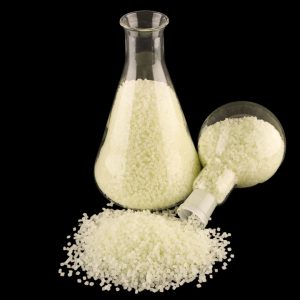
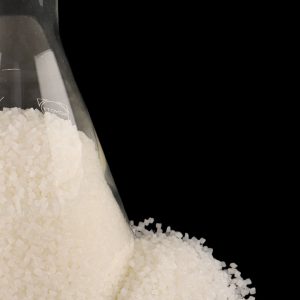
Antioxidant Masterbatch is a specialized additive in polymer industries that is produced to increase the thermal and chemical stability of polymers against destructive factors such as heat, oxygen and sunlight. This masterbatch, with a combination of antioxidant materials in a suitable carrier resin base, is used in the production processes of plastic parts, films and polymer fibers. At Behin Polymer, we produce various types of antioxidant masterbatch with the highest quality and specialized formulations.


Black masterbatch
Black Masterbatch is one of the most widely used raw materials in polymer-related industries. This product is actually a combination of black pigment, base material and specialized additives that is used in the polymer production process to create color, increase light stability and physical resistance. Black Masterbatch has appropriate mechanical strength, optimal light scattering capability and high resistance to UV rays. At Behin Polymer, we have provided the opportunity to purchase this product with a quality guarantee.
Processing Aid Masterbatch
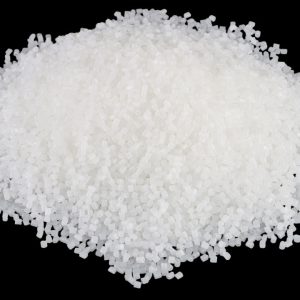
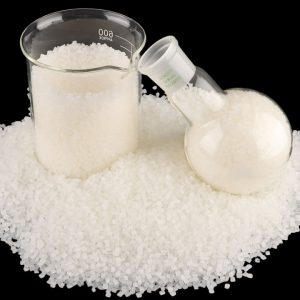
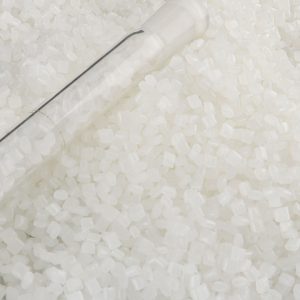
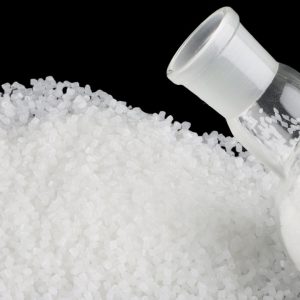
In the plastics manufacturing industry, a constant challenge is improving the flow of molten polymer and reducing wear on production equipment. For this purpose, processing aid masterbatch plays a key role as a specialized additive. By reducing friction between the polymer and the equipment walls, this product optimizes extrusion performance and extends the lifespan of machinery. The use of processing aid masterbatch in production lines not only improves product surface quality but also helps reduce waste and increase production speed. At Behin Polymer, we offer processing aid masterbatch with specialized formulations.


White Masterbatch
White Masterbatch, as one of the most widely used additives in the plastics industry, plays a key role in improving the optical properties and coverage of polymer parts. This product, with its uniform white color distribution and increased brightness, is used in the production of various films, containers, injection-molded parts, and polymer pipes. Among the available types, TiO₂ white masterbatch holds a special position due to its use of high-purity and high-quality titanium dioxide, and with excellent opacity and light stability, it is used in many industries such as food packaging and medical equipment. At Behin Polymer, we offer this product in various grades.
Masterbatch | Types of masterbatches from Behin Polymer to improve the quality of polymer products
In the world of the polymer industry, masterbatches are known as one of the most widely used raw materials that play a decisive role in coloring, adding properties and improving the quality of polymer products. White masterbatches are used to produce transparent and bright parts, black masterbatches are used to create dark colors and protect against UV rays, and other masterbatches are used to improve properties such as heat resistance, anti-static or light stability. At Behin Polymer, we produce a diverse range of high-quality masterbatches.
What is a masterbatche and what is its use?
A masterbatche is a combination of a base polymer and a high concentration of a pigment or additive that is used in the form of granules in the plastics industry. This combination allows manufacturers to add color, specific physical and functional properties to polymer products without the need to change the original formulation of the raw material.
The use of masterbatches in the production process is increasing due to their ease of use, accuracy in adjusting the percentage of consumption and greater stability. This product not only helps to improve the appearance of the product, but also reduces costs and improves the performance of the final product.
Benefits of using masterbatches in the plastics industry
The use of masterbatches in the production of polymer products is not limited to the beauty of color or appearance. If you are designing or manufacturing a polymer product, knowing the benefits of this material can help you make a more accurate choice.
Next, we will review the most important advantages of using masterbatch:
• Improving the uniformity of color and additives: Masterbatch, with its precise combination of color or additive, causes uniform distribution throughout the product
• Increasing production efficiency: Using it in the form of ready-to-use granules is easy and fast and reduces production time
• Reducing workplace pollution: Since color or additive powders are supplied in the form of granules, dispersion and environmental pollution are less
• Ability to precisely adjust the percentage of consumption: Controlling the amount of color or additive is easily possible and material waste is prevented
• High compatibility with various polymers: Masterbatches are designed to suit the type of polymer and are technically fully compatible with the final product
Introduction to masterbatches
The diversity in application and technical needs has led to the production and supply of masterbatches in various types. Choosing the right type of masterbatch based on the final product and production conditions plays an important role in the quality and durability of the product. Let's get acquainted with the different types of this product.
Nucleating Masterbatch
Beta Nucleating Masterbatch is a specialized polymer additive used in the production of polypropylene (PP) to stimulate the formation of beta (β) crystals; by producing this unusual crystal structure, the impact strength and flexibility of the material are significantly improved. This masterbatch is added to polypropylene in granular form in very low doses (typically 0.1–2% by weight) and replaces part of the alpha structure by creating β crystal nuclei during cooling to increase the performance and durability of the final products without the need for expensive additives.
Processing Aid Masterbatch
Processing Aid Masterbatch improves the performance of production equipment. By reducing friction between the polymer and the surface of the mold or cylinder, the material flows more smoothly and the risk of tearing or jamming is reduced. The result is increased final quality and reduced production time.
Catalyst Masterbatch
Catalyst Masterbatch for the crosslinking process of PEX production is a combination of a polymer base (usually polyethylene) and crosslinking activating agents (such as silane derivatives) that are added to the polyethylene in granular form during pipe extrusion to controllably crosslink the polymer chains at the extrusion or curing temperature. This masterbatch, by uniformly distributing the catalytic agent at a specific temperature (usually between 160–220°C) and under appropriate pressure, causes the formation of a three-dimensional network (crosslink) in the polyethylene structure; the result is a significant improvement in the thermal resistance, chemical resistance and mechanical resistance of PEX pipes (especially in PEX-b), without the need for bulky additives or additional complex curing steps.
White Masterbatch
White Masterbatch contains titanium dioxide and is used to create high coverage and whiteness in products. Its application is very wide in the packaging, household appliances and sanitary ware industries. In addition to beauty, it also increases resistance to light and heat.
Black Masterbatch
Black Masterbatch is based on carbon black and is used to create a dark and uniform appearance. This type of additive not only provides an attractive color, but also ensures resistance to UV rays and increases the durability of the product. This product is