
Specialized polymer products for modern industries
A combination of quality, durability and innovation to meet diverse production needs
White Masterbatch
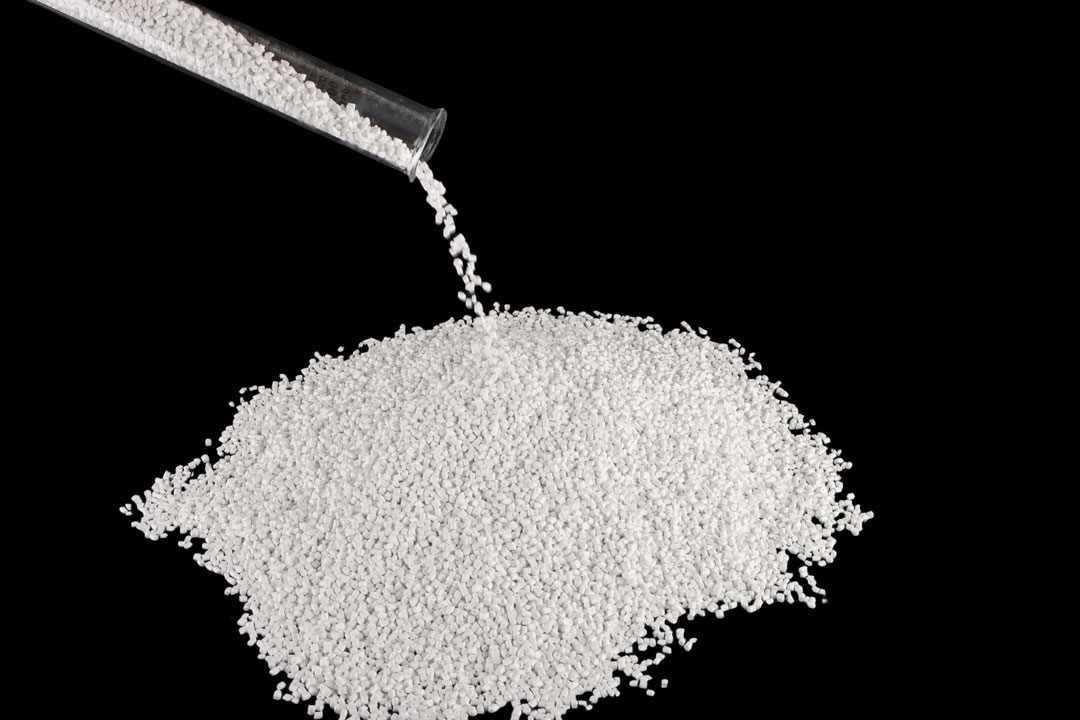
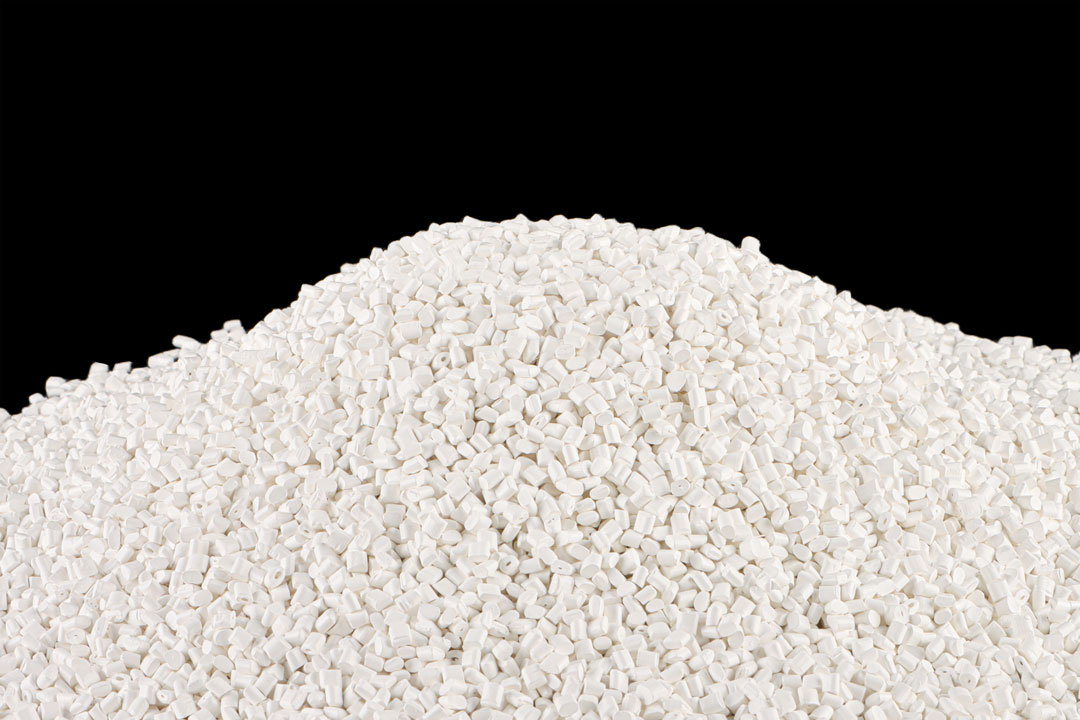
White Masterbatch, as one of the most widely used additives in the plastics industry, plays a key role in improving the optical properties and coverage of polymer parts. This product, with its uniform white color distribution and increased brightness, is used in the production of various films, containers, injection-molded parts, and polymer pipes. Among the available types, TiO₂ white masterbatch holds a special position due to its use of high-purity and high-quality titanium dioxide, and with excellent opacity and light stability, it is used in many industries such as food packaging and medical equipment. At Behin Polymer, we offer this product in various grades.
White Masterbatch, as one of the most widely used additives in the plastics industry, plays a key role in improving the optical properties and coverage of polymer parts. This product, with its uniform white color distribution and increased brightness, is used in the production of various films, containers, injection-molded parts, and polymer pipes. Among the available types, TiO₂ white masterbatch holds a special position due to its use of high-purity and high-quality titanium dioxide, and with excellent opacity and light stability, it is used in many industries such as food packaging and medical equipment. At Behin Polymer, we offer this product in various grades.
What is White Masterbatch?
White masterbatch is a type of color concentrate compound obtained from the uniform dispersion of white pigment in a base polymer (Carrier Resin). This masterbatch is added to raw materials during the plastic parts manufacturing process to create a uniform, bright, and stable white color. Furthermore, White Masterbatch is produced in the form of polymer granules and is easily used in extruders or plastic injection molding machines.
White Masterbatch Composition
The main component in white masterbatch is titanium dioxide pigment (TiO₂), which is responsible for creating white color and optical properties. This pigment, along with a carrier polymer and auxiliary additives, are combined during the melt compounding process. The carrier polymer is a type of resin compatible with the base material of the final part, ensuring uniform dispersion of pigment particles. Additionally, antioxidants, UV stabilizers, and lubricants are added to the white masterbatch formula to improve processability and physical properties.
Titanium dioxide exists in two crystalline structures: rutile and anatase. The rutile type is preferred in white masterbatches due to its higher light stability and heat resistance. TiO₂ particles, with high light refraction and visible light reflection, increase the opacity and brightness of plastic parts and prevent yellowing and dulling of the product when exposed to light.
Other components of these products include:
- Base Material (Carrier Polymer): A resin in which pigments and additives are dispersed. Typically, polyethylene (PE), polypropylene (PP), or polystyrene (PS) are used, depending on the process type and final product.
- Other Additives: Including antioxidants to prevent thermal degradation, UV stabilizers for protection against sunlight, and lubricants to improve processability in extruders and injection molding.
Advantages of Using White Masterbatch Over Pigment Powder
One of the most significant advantages of using white masterbatch is the better dispersion of pigment within the polymer matrix. In plastic manufacturing processes, achieving a uniform white color without streaks or spots is crucial, and the even dispersion of TiO₂ particles in the base polymer creates a smooth and consistent surface. Due to its melt compounding process and uniform pigment distribution, white masterbatch offers this advantage over direct use of TiO₂ powder, preventing color issues in the final product.
Some other advantages of using white masterbatch over pigment powder include:
- Reduced Dust and Improved Health and Safety: Using granular masterbatch instead of powder prevents the dispersion of fine particles in the workplace, improving personnel safety and health.
- Ease of Dosing and Quality Control: Adding masterbatch to raw materials on the production line is much simpler and more accurate than dosing powder, reducing human errors.
- Reduced Waste: Uniform pigment dispersion eliminates color streaks and defective parts, minimizing production waste.
- Increased Production Efficiency: Improved mixing process speed and reduced need for equipment cleaning operations lead to increased production capacity and productivity.
Optimal Properties of White Masterbatch
Among the key features of white masterbatch is its high thermal and chemical resistance. This masterbatch remains stable at high temperatures without color change or reduction in optical properties. Furthermore, when exposed to chemicals such as acids, bases, and industrial solvents, its color and coating structure are preserved, and it does not degrade in quality. This has led to the use of white masterbatch in sensitive industries such as medical and food, which require high hygiene and long durability.
This material also has high resistance to ultraviolet (UV) radiation. This property prevents yellowing, dulling, and loss of brightness in plastic parts exposed to sunlight. The presence of light stabilizers alongside TiO₂ prevents the degradation of the polymer structure and color change in outdoor products. Consequently, white masterbatch is used in the production of garden chairs, urban furniture, and outdoor irrigation pipes, extending the lifespan of these products.
Impact of TiO₂ Percentage on White Masterbatch Properties
The percentage of titanium dioxide (TiO₂) pigment in white masterbatch directly affects its opacity, brightness, and light resistance. Masterbatches are typically produced with 30% to 70% TiO₂, and the appropriate percentage should be determined based on the application type and part thickness. The higher the TiO₂ percentage, the greater the product’s covering power and whiteness. However, a high percentage may also affect mechanical properties and processability, so selecting the optimal amount is of particular importance.
Applications of White Masterbatch in Various Industries
One of the most important applications of white masterbatch is in the plastic packaging industry. This masterbatch is used in the production of packaging films, bottles, and disposable containers, which, in addition to their aesthetic appeal, prevent light penetration and damage to food and pharmaceutical products due to their high opacity and light resistance. Adherence to hygiene principles is crucial in this sector, and TiO₂ white masterbatch with special hygienic grades meets this requirement.
Some other applications of this product include:
- Automotive Industry: In the production of interior and decorative car parts.
- Home Appliances: In the manufacturing of white parts such as air conditioner bodies, washing machines, and refrigerators.
- Pipe and Profile Industries: In the production of water pipes and window profiles.
- Toys and Stationery: To enhance aesthetic appeal, brightness, and hygienic safety for contact with children’s hands.
- Other Applications: Production of medical equipment, garden chairs, and industrial containers that require durable white color.
Important Factors in Choosing White Masterbatch
Choosing the right white masterbatch depends on factors such as TiO₂ percentage, type of base polymer, pigment dispersion level, thermal and chemical resistance, and compliance with hygiene standards. Furthermore, assessing the masterbatch’s compatibility with the production process and equipment used is of great importance.
Factors Affecting White Masterbatch Price
The price of white masterbatch depends on factors such as the percentage and type of TiO₂, the quality of the base polymer, auxiliary additives, and production technology. Additionally, the manufacturer’s brand and order quantity also influence the price. Direct purchase from Behin Pardazan company, due to specialized production and elimination of intermediaries, allows customers to receive white masterbatch at an affordable price and high quality.
Direct Purchase of White Masterbatch from Behin Polymer Company
Behin Polymer Company, with years of experience in the specialized production of various color masterbatches, white masterbatches, and other polymer materials, has made it possible to directly purchase high-quality white masterbatch at a competitive price. At this company, we produce products tailored to the needs of various industries by utilizing diverse TiO₂ percentages, compatible base polymers, and precise formulations.
Reviews
There are no reviews yet.