
Let's recognize the challenges, create solutions.
From common industry problems to providing specialized and sustainable solutions for every need
Polymer Industry Challenges, Tomorrow's Opportunities
Industrial activity in the modern world requires relationships with suppliers that go beyond the traditional manufacturer; companies that, in addition to a long history of production, have advanced research and development equipment, quality control solutions, and the ability to provide production consulting services. With a team of experienced specialists, laboratory equipment, and more than hundreds of successful projects, Behin Polymer can be a reliable partner for industries in facing the challenges of quality, durability, and environmental concerns.
Thermal creep and performance degradation of underfloor pipes under constant temperature and pressure
Solution to the challenge
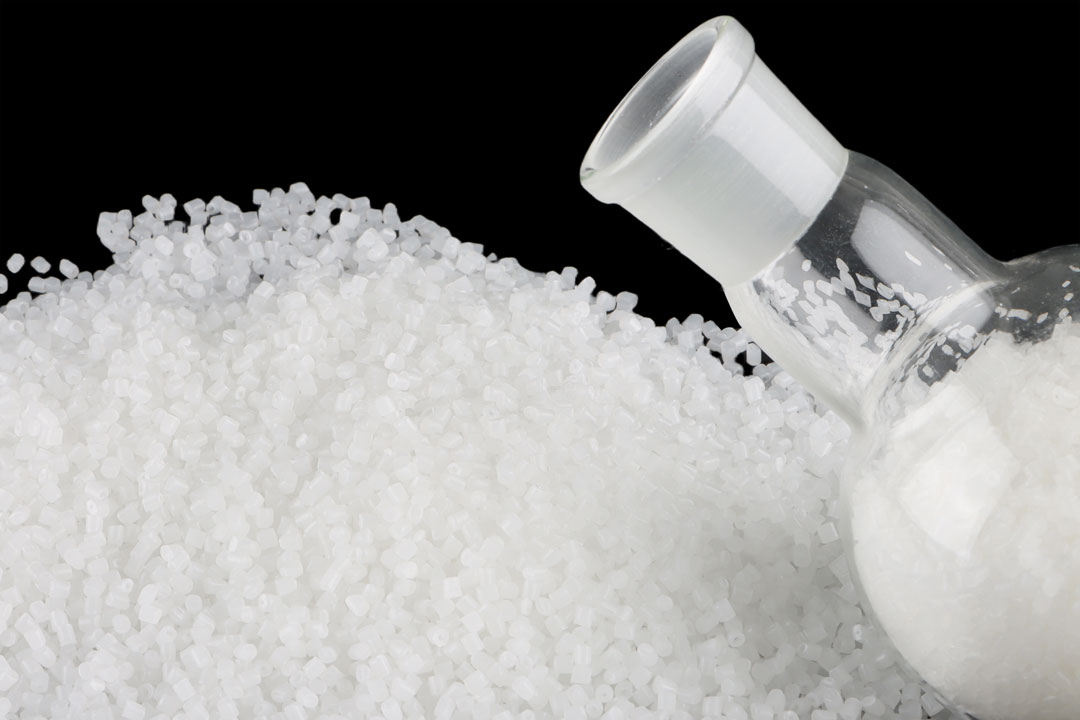
In underfloor heating systems, pipes are constantly exposed to high temperatures, internal stress and repeated thermal cycles. Over time, these harsh conditions wear out the polymer structure and cause thermal creep, a process in which the pipe gradually deforms, its mechanical strength decreases and its pressure-bearing capacity drops. Such destructive changes can cause loose joints, reduce effective flow, create additional stresses and increase the likelihood of cracks or leaks. Since leaks in underfloor heating pipes are usually costly and require the destruction of the floor, choosing the wrong raw material can pose a serious and long-term risk to the entire system. The combination of high working pressure with a weakened polymer structure also increases the risk of sudden failure and chain failures. In the face of such challenges, relying on raw polyethylene or generic compounds is not enough. PEX and PERT compounds produced by Behin Pardazan Company, with controlled crosslinking, enhanced thermal stability, and high creep resistance, are a precise and engineered response to these problems and are recognized as the most reliable option for durability, safety, and long-term performance of underfloor heating systems.
High thickness and additional costs in polypropylene pipes
Solution to the challenge
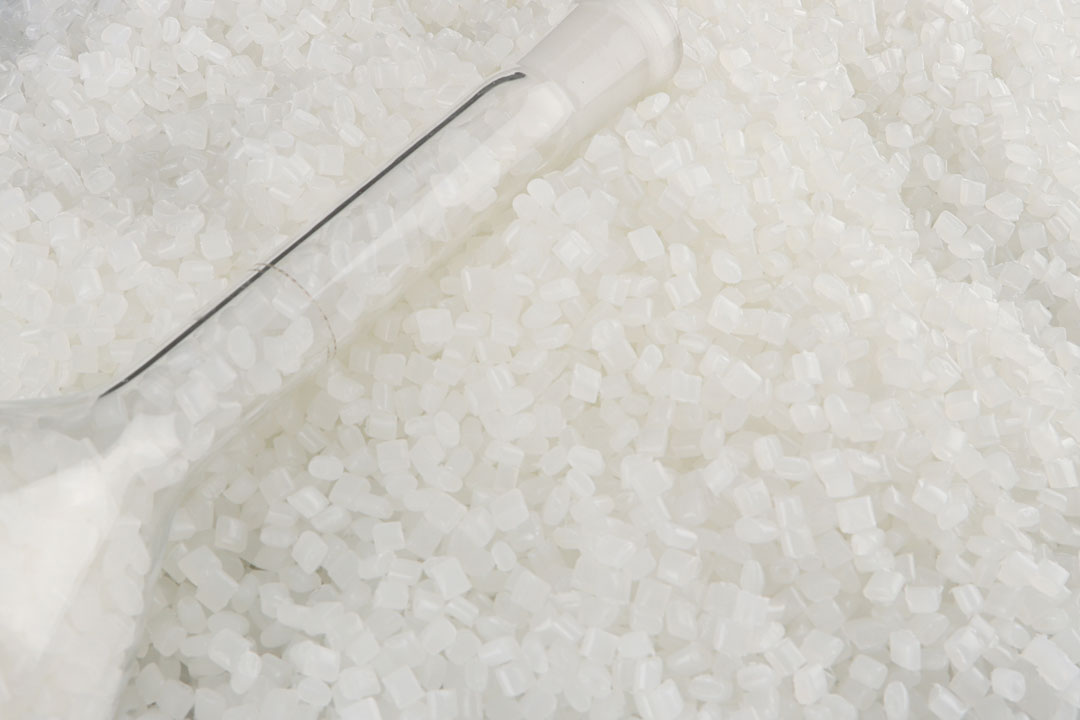
Polypropylene (PP) pipes often require thick walls to achieve the desired mechanical strength, which leads to increased material consumption and production costs. Polypropylene exhibits significant creep behavior at high operating temperatures and gradually deforms under stresses caused by fluid pressure, which leads to reduced mechanical strength, cracking, and leakage. Increasing the wall thickness to compensate for this weakness, while increasing weight and cost, reduces the inner diameter of the pipe and limits the fluid flow capacity. By creating a uniform beta crystal structure in the polymer, Behin Nucleating Masterbatch significantly improves the mechanical strength and creep stability of polypropylene. This solution enables the production of pipes with thinner walls, lower weight, and improved mechanical performance, and overcomes the limitations of traditional polypropylene, and is considered an efficient option to reduce material consumption and increase pipe durability.
Limitations of producing PEX pipes using the traditional method using a water vapor bath
Solution to the challenge
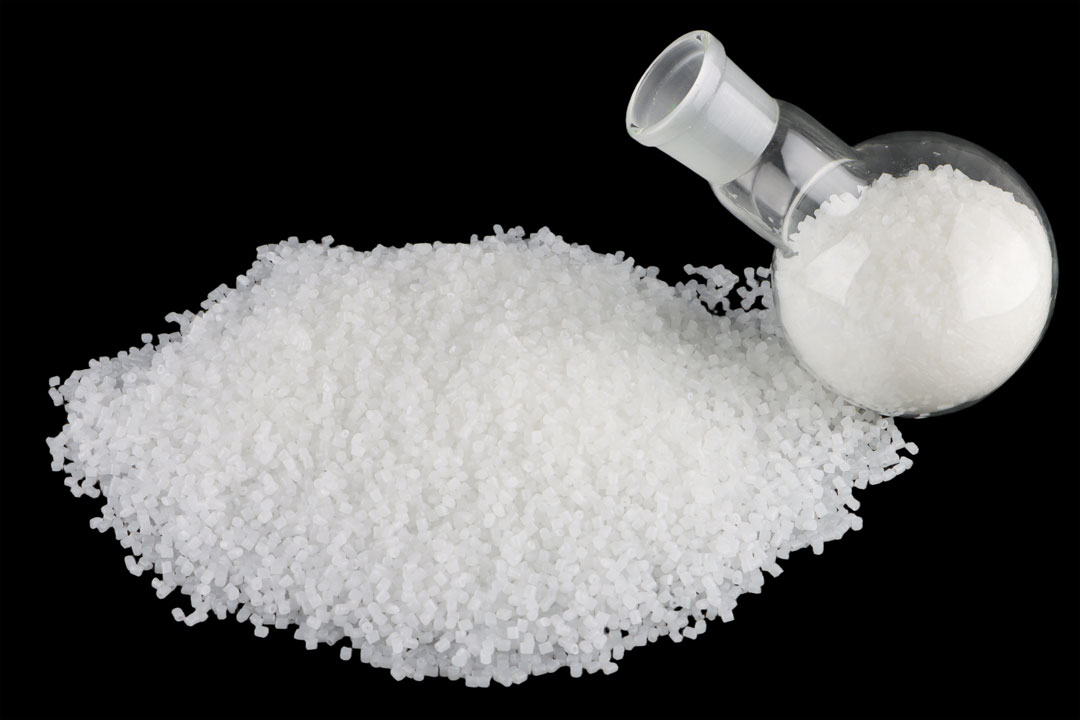
Traditional PEX-b pipe production requires a steam bath to complete the polyethylene crosslinking reaction, a process that is time-consuming, expensive, and requires specialized equipment. Controlling temperature, pressure, and steam contact time is critical to ensuring uniform crosslinks, and any disruption will reduce the quality, strength, and lifespan of the pipe. By uniformly distributing active catalysts, Behin Catalyst Masterbatch activates the crosslinking reaction at the moment of extrusion, eliminating the need for a steam bath. This product enables faster, more uniform crosslinking at lower temperatures, reduces production time, and minimizes energy consumption and equipment maintenance costs. Pipes produced using Behin Catalyst Masterbatch perform far better than products produced using traditional methods in terms of pressure tolerance, thermal stability, and creep control. This significant improvement in structural strength and uniformity significantly increases the final quality and lifespan of the pipes. As a result, the use of this masterbatch is a completely industrial and advanced approach that transforms the PEX production process into an efficient, economical and state-of-the-art path.
Early leaks in push-fit connections; a problem that starts with dry installation
Solution to the challenge
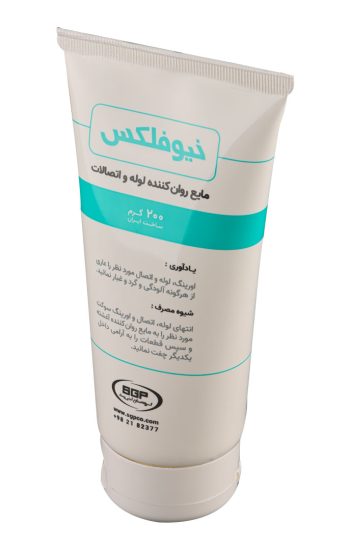
One of the most important causes of leaks in push-fit systems is the installation of pipes and fittings without the use of standard lubricant. When a pipe enters the fitting without a sliding layer, high friction causes scratches, abrasion and surface stresses on the polypropylene; damage that may not be visible at the moment, but over time weakens the mechanical strength of the connection and increases the likelihood of leaks, loss of seal and reduced system service life. This intense friction process causes the O-ring to be under inappropriate pressure, the pipe does not sit properly in place and even the smallest installation error becomes a serious problem. The solution that Behin offers to overcome this challenge is the use of specialized Push-fit lubricating creams and sprays; products that are designed with a formulation that is fully compatible with polypropylene and create a stable and safe sliding layer. This layer significantly reduces friction and allows the pipe to enter the fitting smoothly, smoothly and without stress, without having the slightest destructive effect on the pipe, fitting or O-ring. As a result, the installation is more accurate, unwanted stresses are eliminated and the system seal is formed much more reliably. The use of optimal lubricants not only increases the speed and ease of installation, but also prevents hidden damage and future leaks and significantly improves the durability of the push-fit system.
Thermal instability and reduced performance durability of cables and polymer insulation in the electrical and telecommunications industries
Solution to the challenge
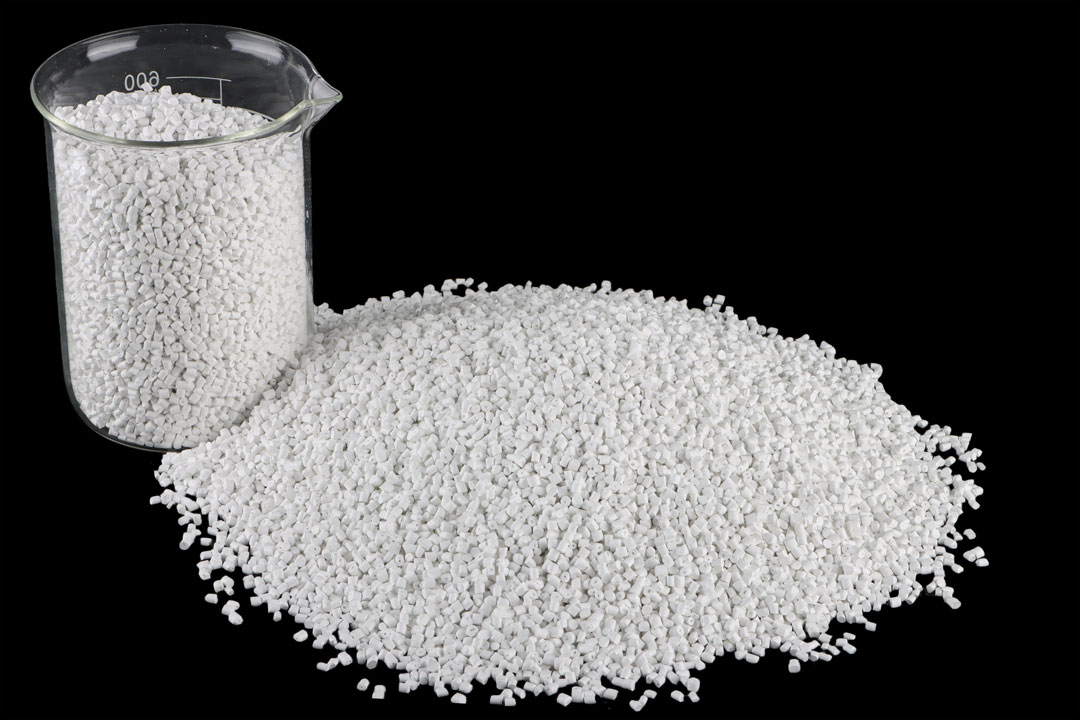
The power and telecommunications industries are directly dependent on cables and insulation that can provide stable and reliable performance in harsh environmental conditions, high temperatures and mechanical stresses. The slightest weakness in thermal resistance or reduced mechanical strength of insulation can have serious consequences such as premature cable failure, current leakage, reduced system efficiency and even widespread network disruptions. Bihin’s XLPE (cross-linked polyethylene) compound is designed as an advanced and specialized solution to meet the challenges of the power and telecommunications industries; this compound, using an engineered formulation and precise control of the crosslinking percentage, creates a uniform and stable network structure; a structure that maintains its mechanical strength at high temperatures and against electrical currents and under repeated stresses. This thermo-mechanical stability minimizes the risk of insulation degradation, point erosion and cable performance loss. On the other hand, this compound facilitates the extrusion process by precisely controlling the rheological properties and increases the uniformity of the insulation thickness. The use of the best XLPE compound increases the life of the cables, reduces the need for repairs, improves network safety, maintains performance in extreme temperatures, and reduces maintenance costs.
Loss of efficiency and reduction in efficiency of solar panels over time
Solution to the challenge
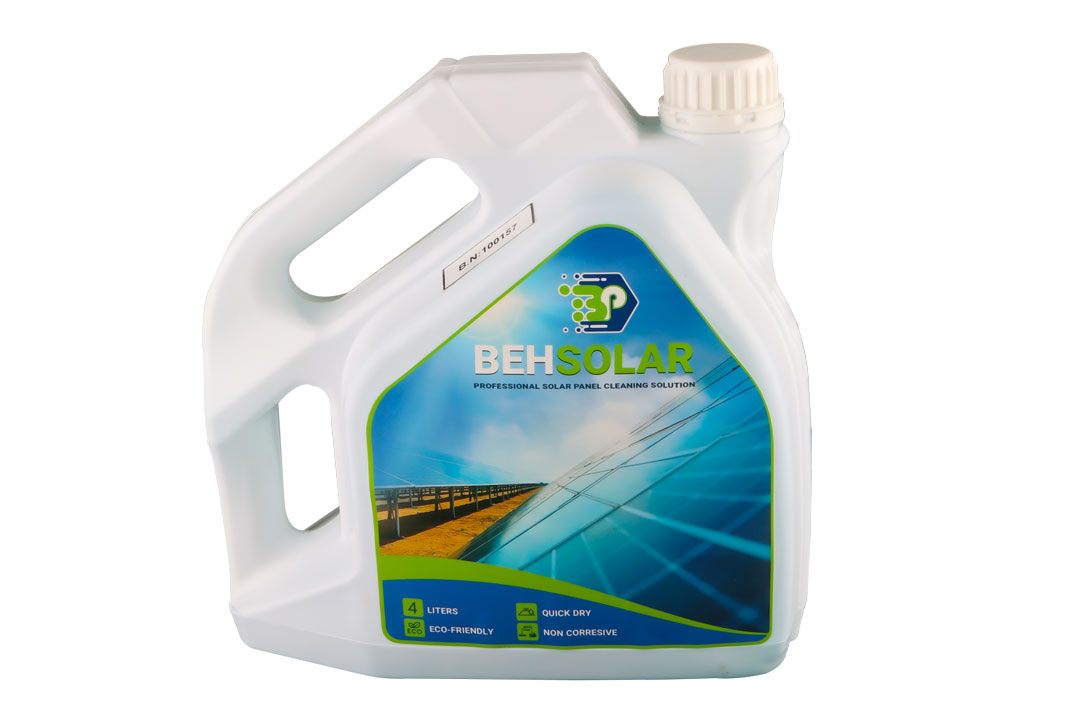
One of the biggest problems with photovoltaic systems is the accumulation of dust, suspended particles, salt deposits and environmental pollutants on the surface of the panels. This accumulation reduces sunlight absorption, creates local shadow spots and significantly reduces efficiency. In addition to reducing efficiency, inefficient cleaning or the use of inappropriate chemicals can damage the protective coating of the panels and reduce the lifespan of the equipment. BehSolar washing solution produced by Behin is an engineered solution for cleaning the surface of the panels without damaging their protective coating. The formulation of this product is precisely designed to evenly remove dust, suspended particles, salt deposits and environmental pollutants from the surface of the panels and prevent the creation of local shadow spots. BehSolar's controlled solubility feature allows the washing flow to completely cover the panel surface and no residual particles reduce efficiency. Using this solution not only reduces water consumption by up to 50%, but is also completely environmentally friendly and has no chemical destructive effects on soil or water resources. This scientific and industrial solution combines efficiency, sustainability, environmental protection and resource conservation in one comprehensive product.
Blockage of nozzles and material flow path in inkjet printers
Solution to the challenge
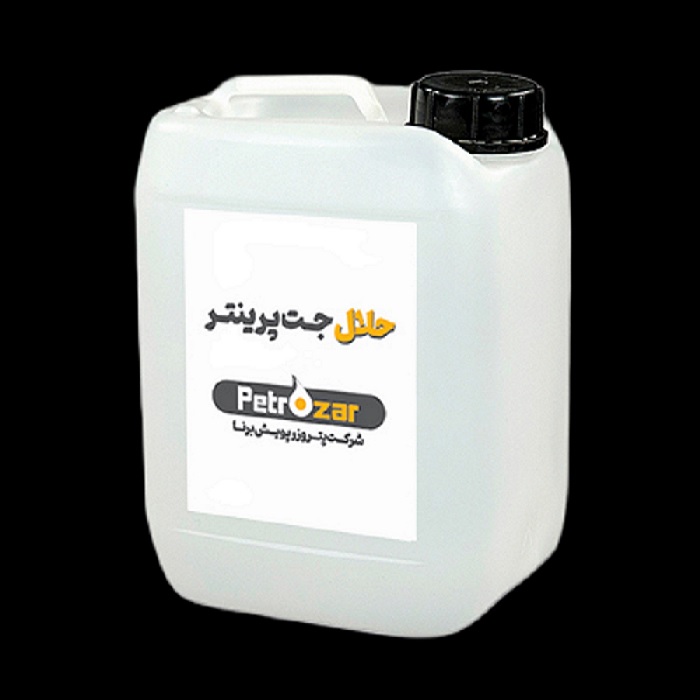
One of the most serious and frequent problems in the inkjet production process is the blockage of nozzles and the ink passage, which can severely affect the print quality, line accuracy and production speed. This problem is especially common in high-speed production lines using thick or high-viscosity inks and can even cause droplet dispersion, uneven patterns, loss of printing accuracy and reduced uniformity of designs. By providing a specialized solvent with a precise formulation including a combination of active ingredients with controlled boiling points and targeted solubility, Behin Company has the ability to completely dissolve dried deposits, polymer accumulations and suspended particles created by the evaporation of the main solvent. By reducing the viscosity of the ink and creating a stable flow, this product prevents re-clogging and keeps the printing performance stable even on high-speed lines. Behin Solvent's low-risk formula prevents the sensitive parts of the device from corroding and maintains the useful life of the equipment. As such, the best solvent jet printer is a reliable, economical industrial solution for continuous production and consistent print quality.
Unstable polymerization due to low efficiency of initiators
Solution to the challenge
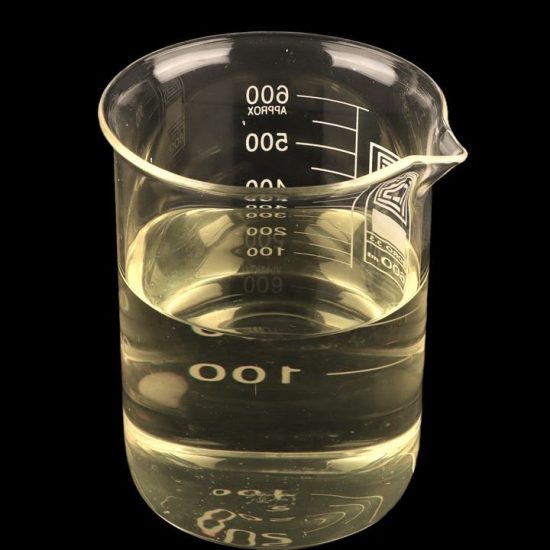
Polymerization is one of the fundamental processes in polymer industries, the quality and efficiency of which have a direct impact on the structure, properties and lifespan of the final product. By utilizing technical knowledge and precise control of the production process, Behin Company offers ditert-butyl peroxide (DTBP) as a highly stable and efficient radical initiator. With its high thermal stability and ability to release active radicals in a controlled manner, this initiator enables the uniform conduction of polymerization reactions. This feature allows the polymer chain structure to be formed with precise order and appropriate molecular weight distribution, and polymers with high mechanical strength, better thermal stability and long lifespan are produced. The key advantage of Behin peroxide is its ability to operate stably even at high temperatures and harsh industrial conditions; that is, the polymerization reaction proceeds without fluctuations and sudden stops, and production lines operate with higher productivity and less waste. This precise control of the initiation rate allows the manufacturer to have a product with consistent and reliable quality on an industrial scale, while reducing operating costs and significantly increasing energy savings.
Hidden and dangerous weaknesses in sealing metal threads
Solution to the challenge
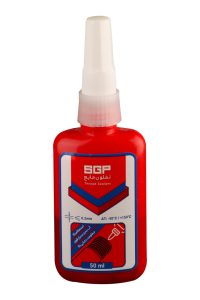
In metal piping, the threaded section is a common failure point, where old-fashioned methods like Teflon tape and traditional pastes no longer work. These methods are virtually unsustainable under high pressure, constant expansion and contraction of the pipes, equipment vibration, and sudden shocks. Teflon tape is not uniform in thickness, it bunches up or tears when the connection is closed, and old pastes make the connection stiff and vulnerable. The result? Late-stage leaks in gas lines, heating systems, and industrial networks that are both costly and dangerous.
In contrast, the liquid Teflon produced by Behinpardazan is an anaerobic sealant engineered for these same weaknesses. This product is baked onto the metal after the joint is closed, creating a seamless, adhesive, and fully permeable layer. This layer fills microcracks, prevents the threads from loosening, and is stable against high pressure, hydraulic shocks, extreme temperature changes, and continuous vibration. Unlike traditional methods that only result in a bond, liquid Teflon strengthens this bond and virtually sets a new standard in sealing metal joints.
PVC without additives reaches the brink of destruction: serious damage to quality, equipment and production
Solution to the challenge
In contrast, the liquid Teflon produced by Behinpardazan is an anaerobic sealant engineered for these same weaknesses. This product is baked onto the metal after the joint is closed, creating a seamless, adhesive, and fully permeable layer. This layer fills microcracks, prevents the threads from loosening, and is stable against high pressure, hydraulic shocks, extreme temperature changes, and continuous vibration. Unlike traditional methods that only result in a bond, liquid Teflon strengthens this bond and virtually sets a new standard in sealing metal joints.
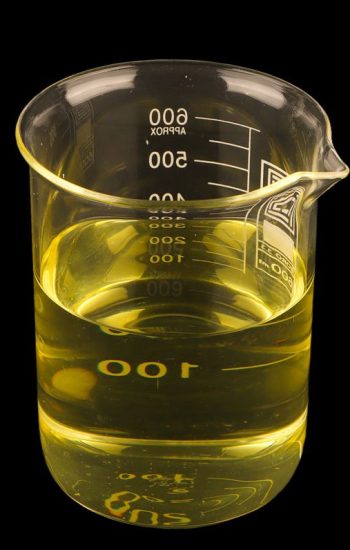
Epoxy soybean oil produced by Behin Pardazan Company (ESBO) is a multipurpose additive that simultaneously acts as a plasticizer and a thermal-optical stabilizer. The active epoxy groups of this material absorb HCl resulting from the degradation of PVC and prevent further destructive reactions; as a result, discoloration, brittleness, and loss of mechanical properties are significantly reduced. ESBO improves melt flow, reduces internal stresses, and improves product thickness uniformity and appearance. Using this material increases production speed, reduces equipment wear, and brings the final quality—from flexibility to heat and UV resistance—to a reliable level.
Quality loss and hidden damage in extrusion without using the right wax
Solution to the challenge
In many extrusion lines, melt flow instability causes reduced appearance quality, increased friction, additional stress on equipment, and problems such as surface lines, waviness, and blocking. Even when the mechanical properties of the product are acceptable, these same appearance defects and interlayer adhesion reduce the value of the product, slow down production speed, and increase waste. This situation leads to increased energy consumption, frequent stoppages, die and screw wear, and reduced productivity; a problem that wastes a significant portion of the manufacturer's costs without creating added value.
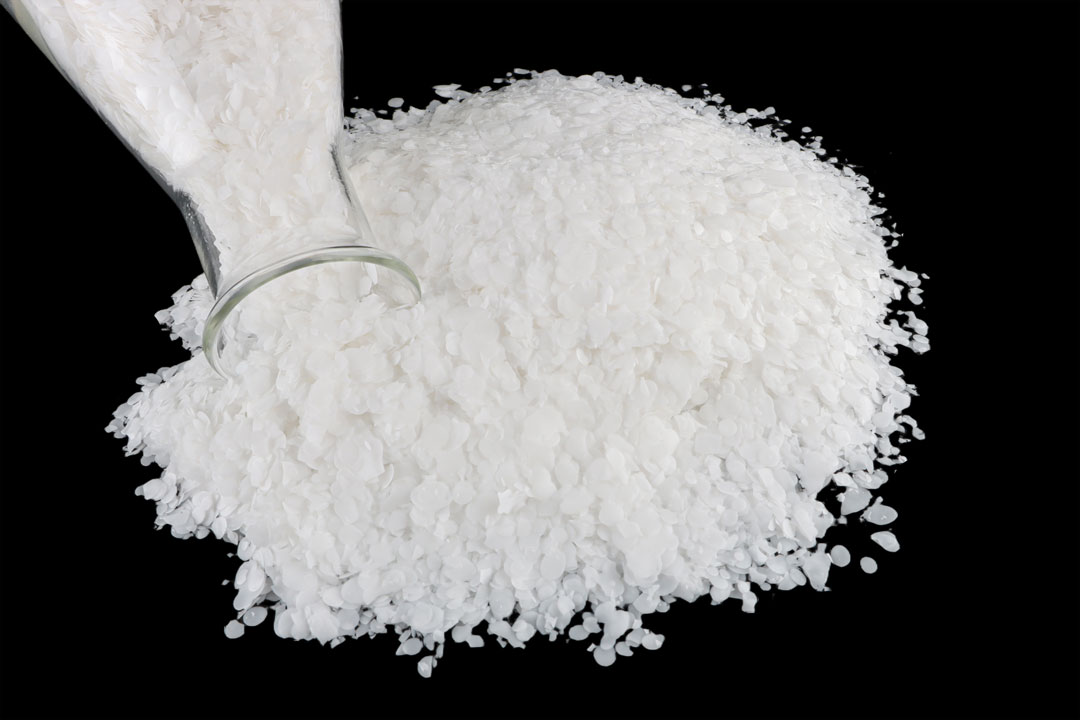
Polyethylene wax produced by Behin Company is a sustainable and economical solution to overcome this challenge. By creating a uniform lubricating layer, this wax reduces melt adhesion to the equipment wall, stabilizes the flow and minimizes fluctuations such as melt fracture and surface lines. The result is smoother extrusion, more precise thickness control and reduced sudden stops. In thin films and sheets, the effective anti-blocking function of Behin Wax allows easy unwinding of rolls, prevents layer adhesion and maintains surface gloss and uniformity. Reducing internal friction also reduces equipment wear, increases production speed and significantly improves final quality.
Melt instability and extrusion wear, a threat to quality and productivity
Solution to the challenge
In the extrusion process, the unpredictable behavior of the polymer melt increases friction and pressure inside the barrel, which not only reduces the surface quality of the product but also increases the wear of the screw and barrel and imposes frequent production line stops. These problems cannot be solved by manual machine adjustment and directly affect speed, waste and energy costs.
The masterbatch, a process aid produced by Behinpardazan, offers an operational and effective solution for controlling melt flow. By creating a slippery and stable layer on the screw, cylinder and die, this masterbatch reduces polymer adhesion to metal and makes the melt flow uniform. Eliminating phenomena such as melt fracture, shark-skin and die build-up reduces line stops, saves energy and manpower and reduces waste. In addition, reducing shear and compressive stresses increases the life of equipment and allows for higher speed production without loss of quality. Using Behin masterbatch creates a stable process, a higher quality product and an economical and competitive production line.
- Behin Polymer's Commitment: Innovation for the Future of Industries and Solving Today's Challenges
Today’s polymer-based industries face complex challenges, from pressure and temperature to durability against heat, pollution, and the need for environmentally friendly solutions. With a focus on specialized knowledge, technology, R&D team, and the ability to produce custom compounds, Behin Polymer has become a trusted reference for the construction, electrical, telecommunications, and solar energy industries. If you are looking to improve quality, product longevity, and reduce process costs, Behin Polymer is your strategic partner and companion.
At Behin Polymer, we believe that the solution to every industrial challenge lies in innovation and scientific expertise. By continuously investing in research and development and utilizing an experienced and committed team, we continue to deliver products of unparalleled quality and excellent performance. Our ultimate goal is to meet the current needs of the market as well as anticipate and respond to future challenges of the industries. Therefore, with Behin Polymer, you will have a reliable and sustainable path to grow and develop your business. Are you ready to turn your challenges into growth opportunities? Contact us.