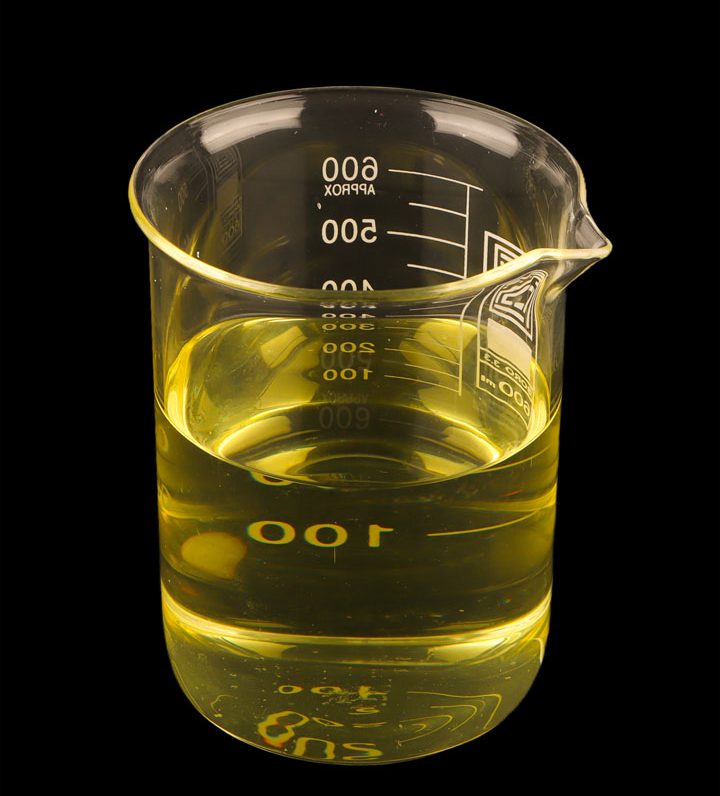
Epoxidized soybean oil (ESBO) is a polymer additive widely used in the plastic manufacturing industry, especially in polyvinyl chloride (PVC)-based compounds. This product is supplied in liquid form and is transparent yellow in color and, due to its specific chemical structure, has a dual function in industrial processes. On the one hand, it is used as a plasticizer to increase the flexibility of the polymer material and on the other hand, it plays the role of a co-stabilizer to prevent thermal degradation of PVC compounds. At Behin Polymer, we produce Epoxidized soybean oil (ESBO) with guaranteed performance.
Chemical structure and technical properties of epoxidized soybean oil (ESBO)
Epoxy soybean oil (ESBO) is obtained through the epoxidation process of unsaturated fatty acids present in soybean oil. In this process, the carbon double bonds in the fatty acid chain are converted into epoxy rings (oxiranes), highly reactive structures that are remarkably resistant to thermal degradation and oxidation. This structural change has made epoxy soybean oil an effective additive in increasing the thermal stability and chemical durability of polymers, especially in PVC compounds.
The epoxy number is one of the indicators that determines the quality of this chemical additive. A number higher than 6 indicates a high amount of epoxy rings and its greater ability to heat stabilize the polymer. Also, an iodine number less than 3 indicates the high stability of this product against oxidation, which is of great importance in the production of stable and long-lasting products.
The importance of ESBO in the formulation of polymer materials
In polyvinyl chloride compounds, the use of plasticizers and stabilizers is essential to improve mechanical properties, softness and durability. Epoxidized soybean oil, with its high compatibility with PVC, plays an effective role in creating appropriate flexibility in the final products. This material helps reduce the brittleness of the polymer and, on the other hand, as a reinforcing agent, increases thermal stability during the production process and the product’s use period.
ESBO also improves the performance synergy in the stabilization process when combined with stabilizers such as tin, barium, cadmium or calcium-zinc compounds. These properties have made epoxy soybean oil a prime choice for polymer compound manufacturers.
Industrial applications of epoxidized soybean oil (ESBO)
Before we discuss the uses, we must emphasize that ESBO, with its plant-based, environmentally friendly, and non-toxic properties, is a suitable option in industries that require precise control over product health.
The main applications of epoxy soybean oil (ESBO) include:
- Plasticizer in PVC industries to increase flexibility and prevent cracking in final products such as cables, pipes, sheets and flooring.
- Heat stabilizer co-formulant to improve thermal performance in extrusion and molding processes
- Additive in chlorinated thermoplastics such as CPVC to improve mechanical properties
- Supplementary material in the production of polymer masterbatches to improve flowability, transparency and thermal stability
- Used in food packaging industries due to its non-toxicity and compliance with food contact material safety standards.
Difference in performance of epoxy soybean oil with other plasticizers
Compared to phthalate-based plasticizers such as DOP or DINP, epoxy soybean oil offers a different performance and significant advantages. Phthalates, although having good plasticizing properties, are associated with environmental risks. In contrast, ESBO, with its high stability and favorable environmental compatibility, is a safe solution for products that require high durability and potential contact with the human body.
The epoxy rings in the ESBO structure provide better resistance to sunlight, heat, and free radicals. For this reason, the use of this oil has become very important in the cable manufacturing industry and the manufacture of industrial parts that are resistant to harsh environmental conditions.
Visual performance and final product quality using ESBO
One of the common concerns in the plastics industry is the color stability and clarity of the final product. Epoxidized soybean oil, due to its bright yellow color and high purity, creates a uniform color in the final products. Also, due to the reduced chemical reactivity in its structure, ESBO prevents PVC products from changing color or yellowing over time.
In products such as transparent sheets, polymer films, or white injection molded products, where the final appearance is very important, the use of epoxy soybean oil can ensure color uniformity and the absence of surface haze or haze.
Technical advantages of using epoxidized soybean oil in PVC
The use of epoxy soybean oil (ESBO) not only reduces hardness and brittleness, but also prevents molecular changes due to high temperatures through its stabilizing function. This is especially important in processes such as injection molding or continuous extrusion, where high temperatures and stresses are imposed on the material. ESBO also acts as an internal plasticizer that, unlike some additives, does not leave the polymer structure and has very low migration.
Strict quality control and guaranteed properties of epoxy soybean oil
In the process of producing epoxy soybean oil, strict quality control based on specified indicators ensures the desired final performance. Tests such as determining iodine number, epoxy number, viscosity, acid value, color index and impurity level, along with practical tests on PVC samples, are among the main stages of quality control in the production of this product. For this reason, using epoxy soybean oil produced in reputable industrial complexes will guarantee the stability of the final product.
Flexible and customizable packaging
In the field of supplying epoxy soybean oil, it is possible to choose the type of packaging based on the consumer’s needs. This product can be supplied in special packaging that is in line with the customer’s storage conditions and capacity. Choosing the right type reduces the risk of contamination, maintains the physical and chemical quality of the product, and facilitates the unloading process in production lines.
Buy Epoxidized Soybean Oil (ESBO) from Behin Pardazan
At Behin Pardazan Company, we rely on technical knowledge, advanced equipment and continuous quality control to produce Epoxidized Soybean Oil (ESBO) with precise technical specifications, high epoxy number and global standards. By providing services such as packaging according to customer needs, pre-purchase technical advice, Behin Polymer has become a reliable option for supplying this key material in various industries. For more information and to place an order, contact our experts.

Reviews
There are no reviews yet.